

.avif)




















.avif)


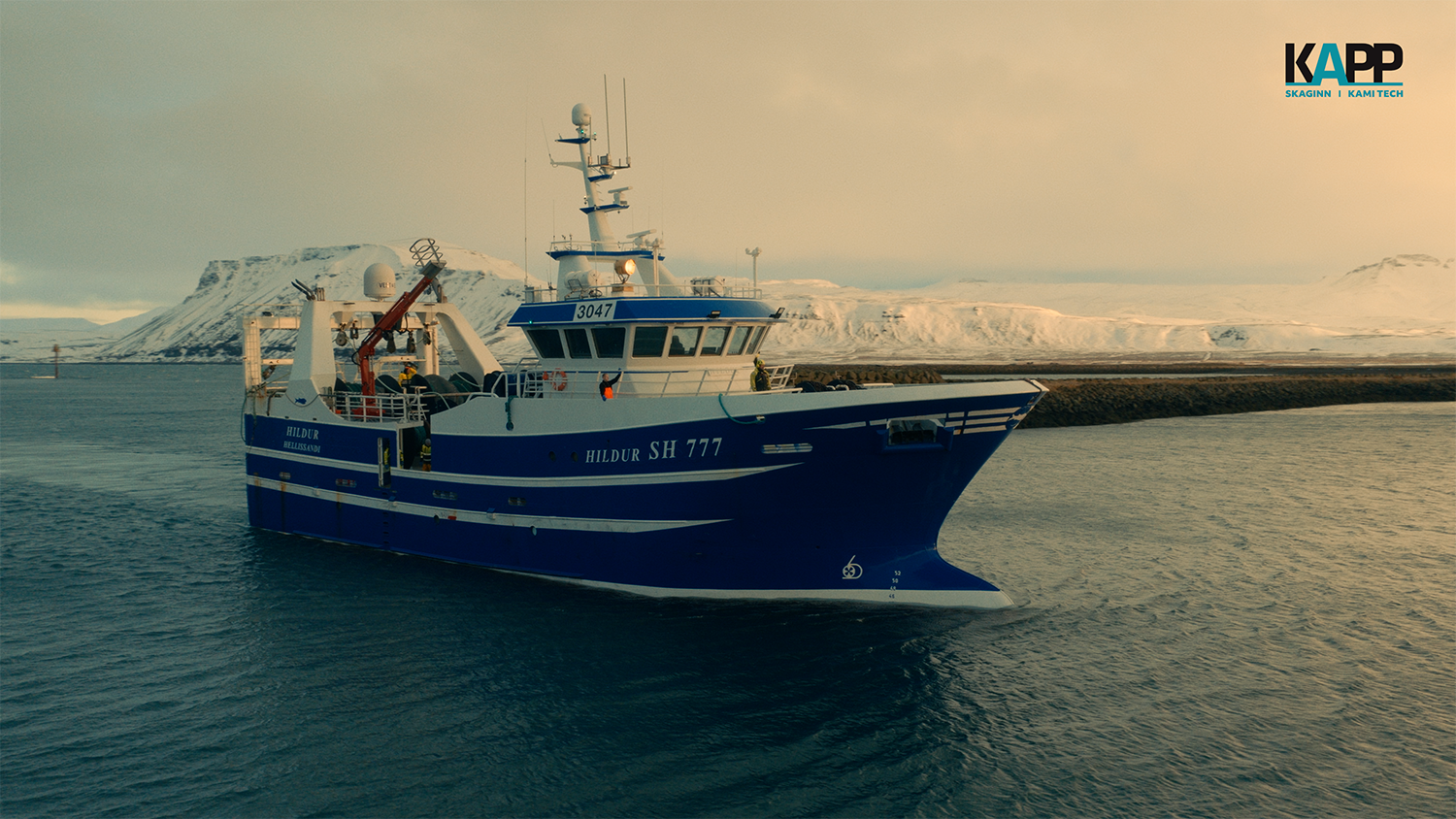
How Hildur SH-777 is using OptimICE (CO2) to protect the catch from sea to shore
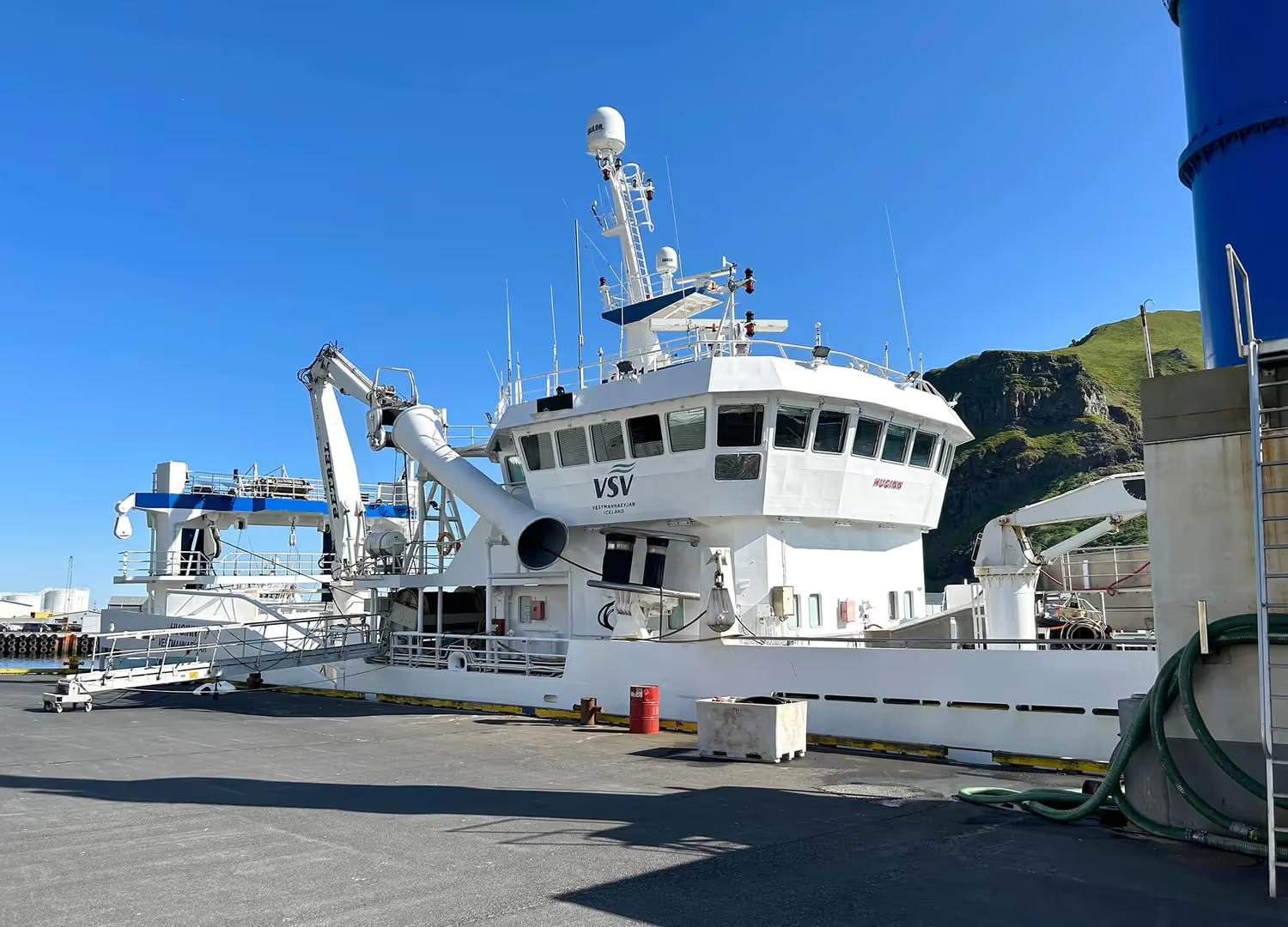
For a fishing operation like Hildur SH-777, quality begins the moment the fish comes onboard.
Operating out of Rif on the Snæfellsnes peninsula in West Iceland, the crew works in an environment where speed, consistency, and careful handling are critical. Their daily trips, focused mainly on cod and haddock, depend on quickly and evenly chilling the fish so that freshness, texture, and product quality are preserved all the way through landing, processing, and export.
That is where OptimICE (CO2) from KAPP has made a real difference.
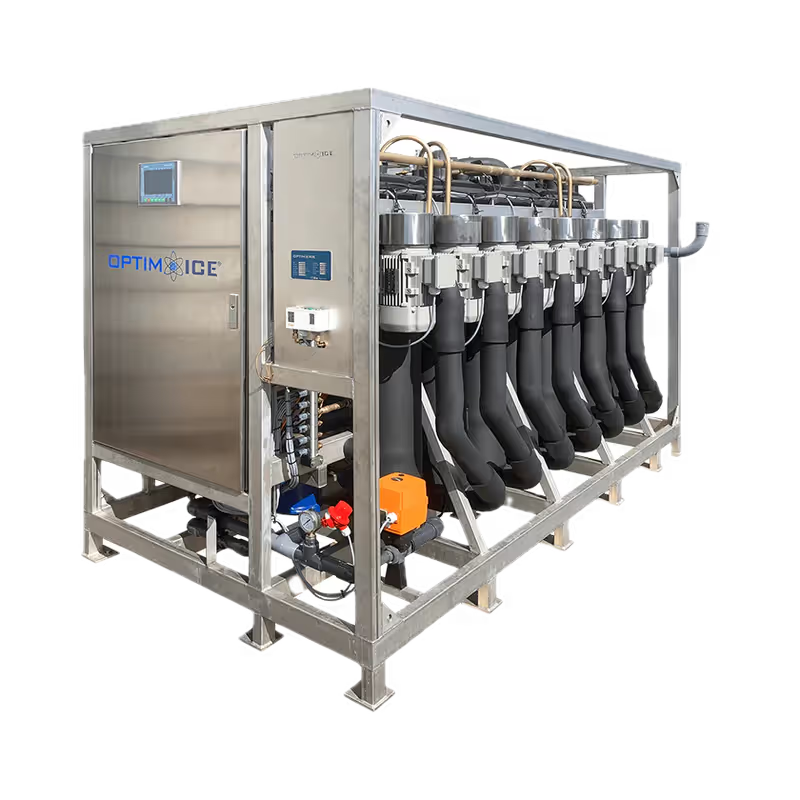
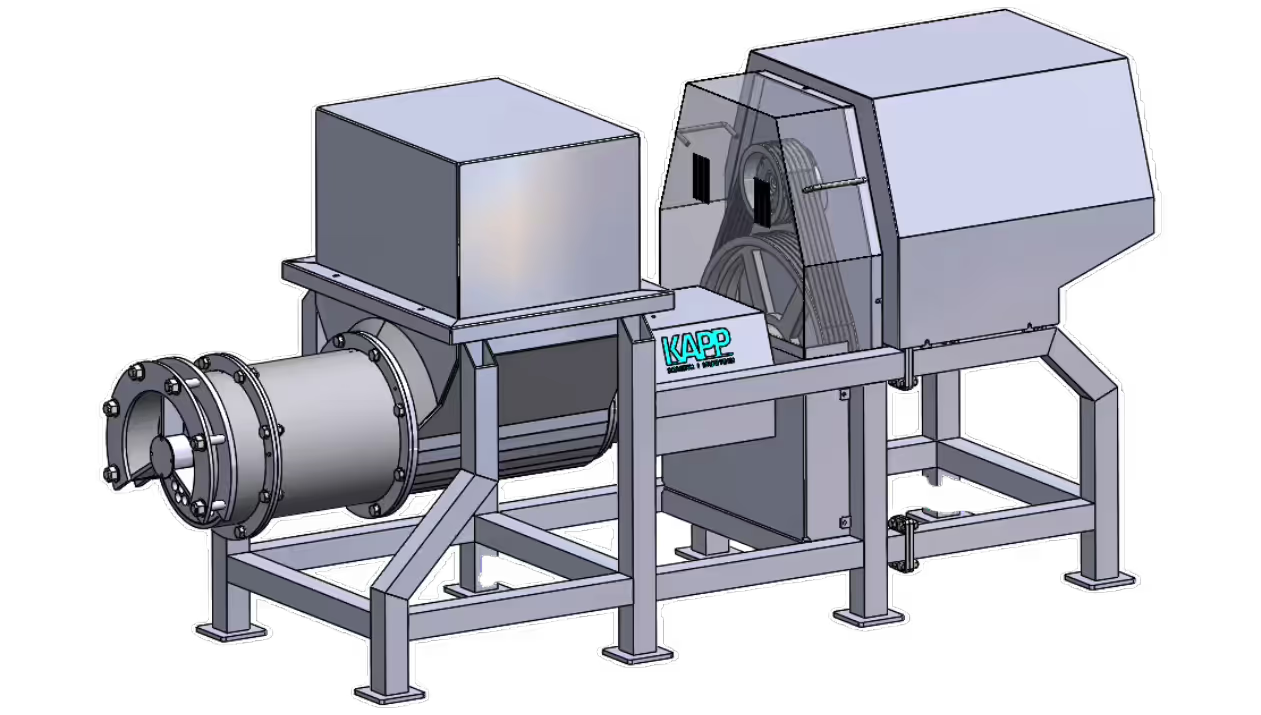
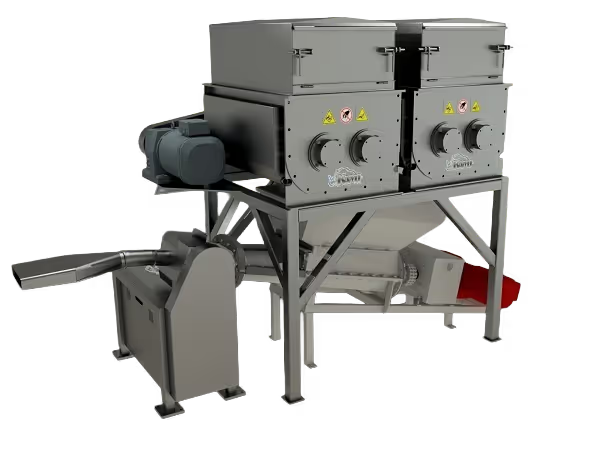
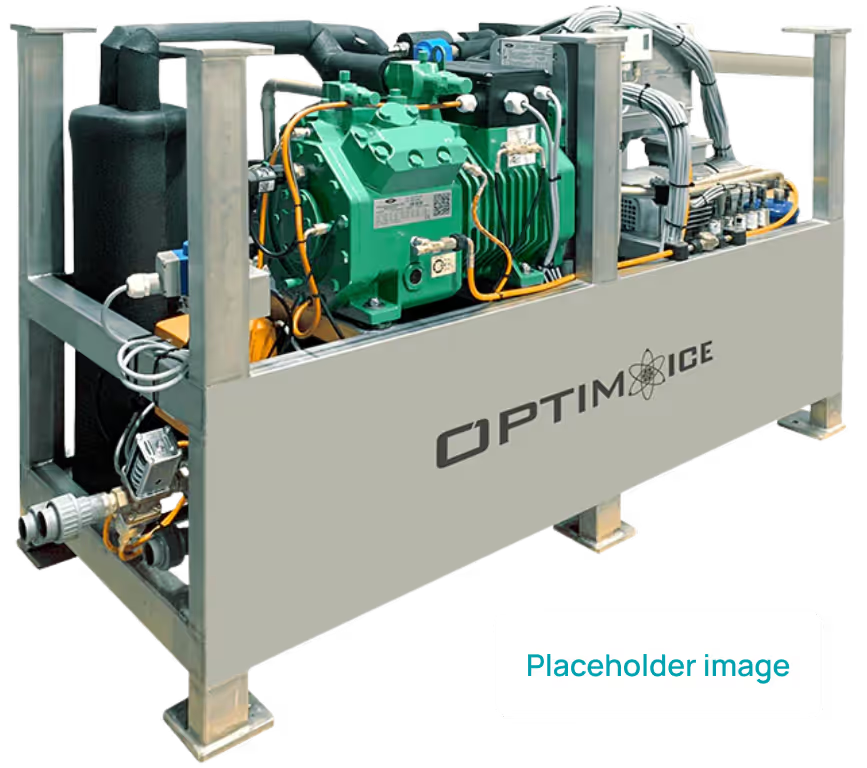
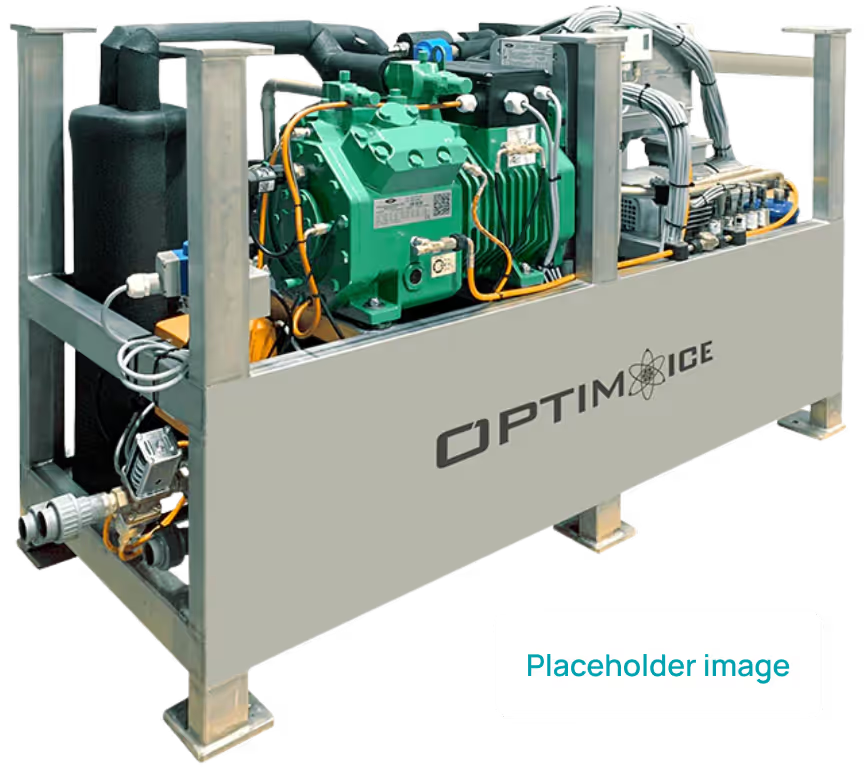
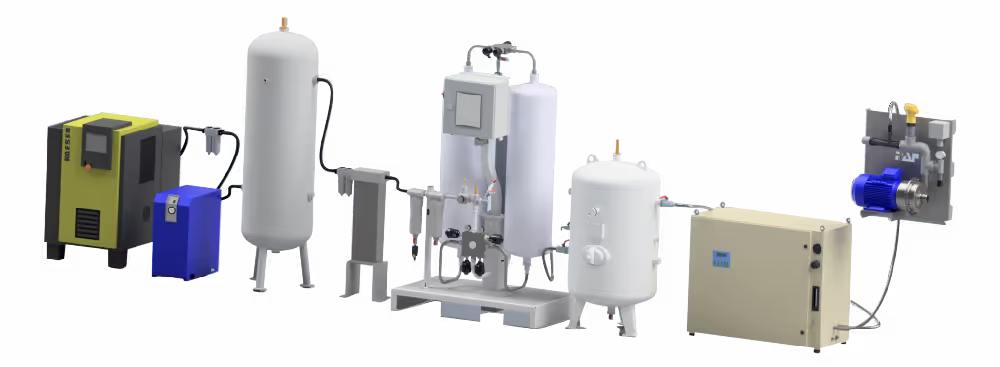
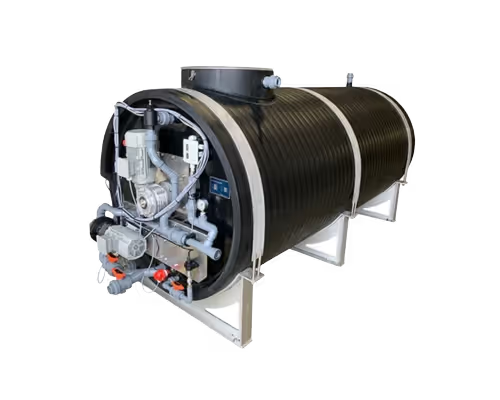
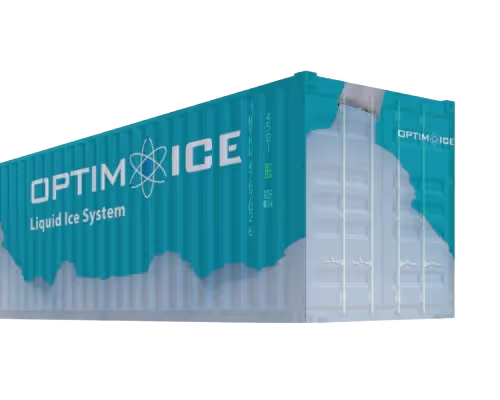
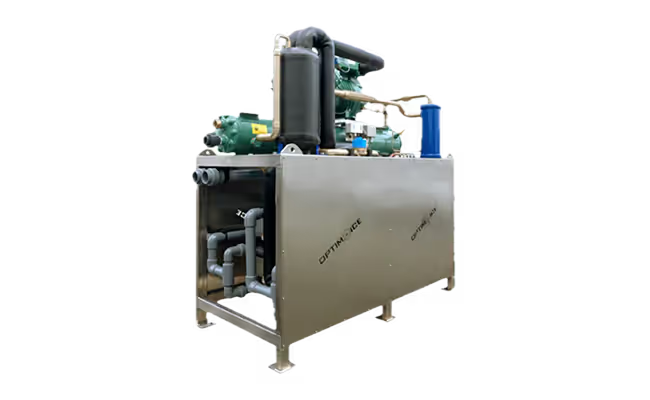
For Hildur SH-777, this is not only a story about slurry ice. It is also a story about being among the early adopters of a more future-oriented onboard chilling solution. KAPP’s CO2 OptimICE systems use a 100% CO2 refrigerant and are designed to combine high chilling performance with lower environmental impact and lower operating cost.
A daily operation where every minute matters
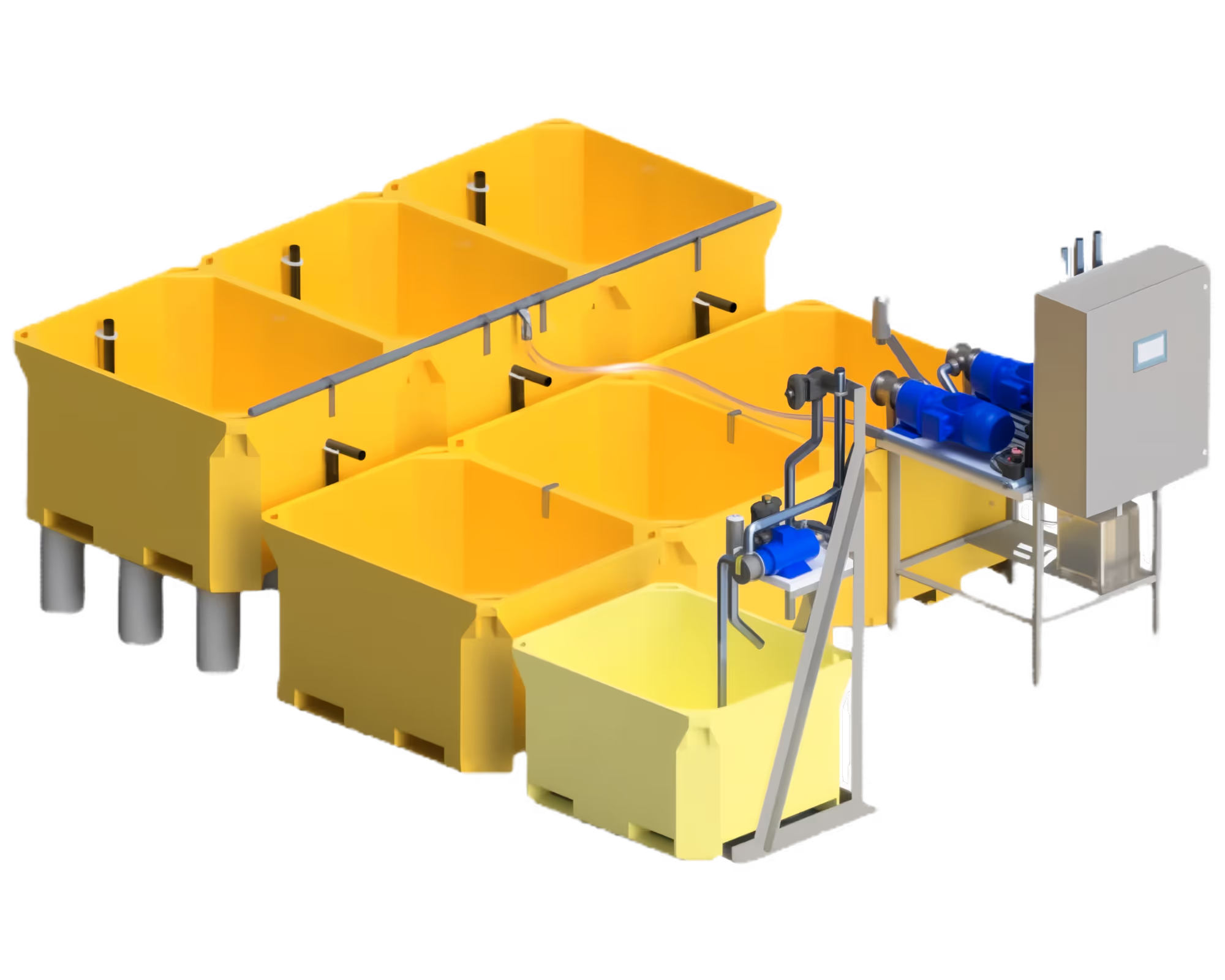
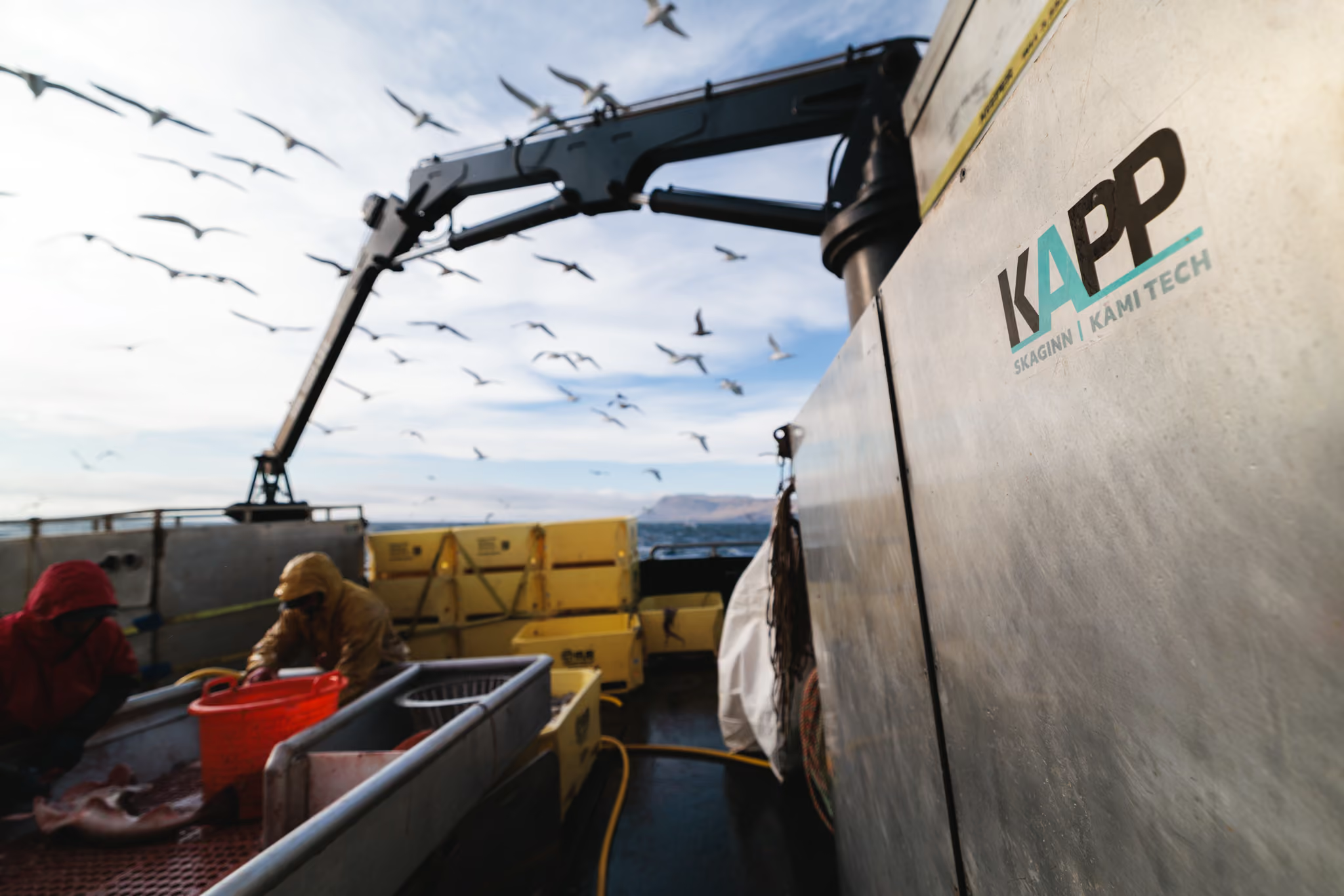
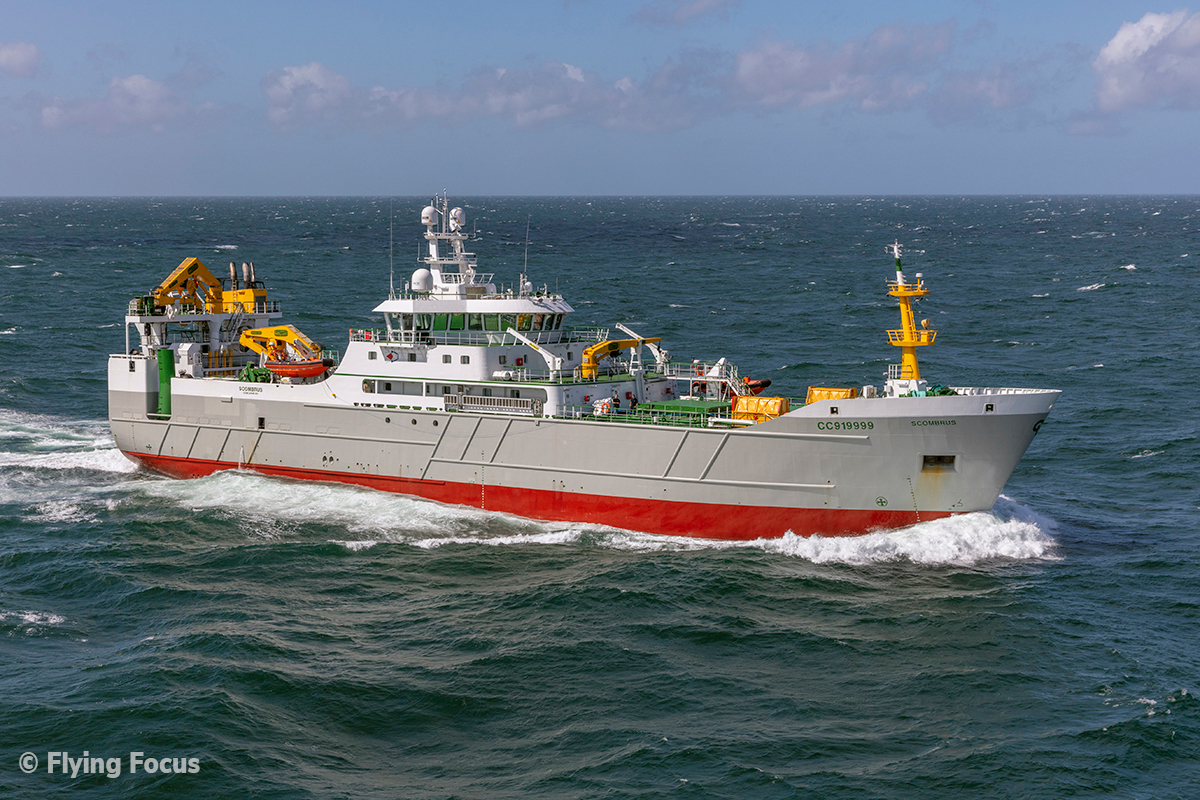
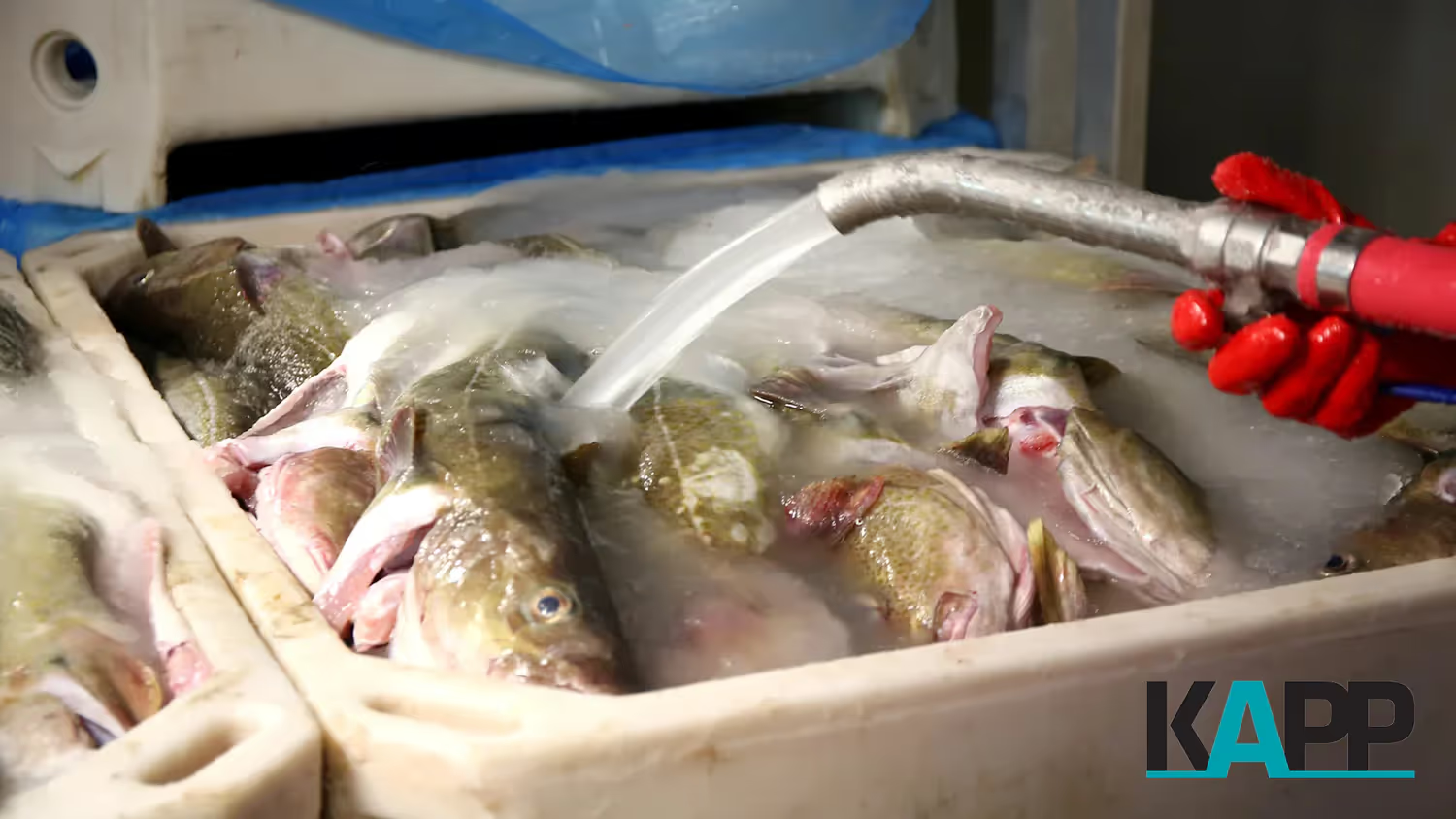
Hildur SH-777 is a modern steel vessel working in demanding conditions where the catch must be handled correctly from the very first step. Once the fish comes onboard, the process moves quickly: the fish is bled, cleaned, and prepared before being placed in tubs or in the hold, where slurry ice is applied between layers and over the top.
For the crew, this is not just routine. It is the foundation of product quality.
With daily landings and fish moving into further processing and export, there is little room for delay or inconsistency. Temperature control and fast chilling are essential to protecting the value of the raw material. That is why the choice of chilling method matters so much onboard Hildur SH-777.
Why the crew chose OptimICE
Before OptimICE, traditional ice created more manual work and a slower chilling process onboard. Shoveling ice took time, added physical strain, and did not provide the same level of fast, even coverage around the fish.
According to Guðmundur Ragnar Guðmunduson, second engineer onboard Hildur SH-777, one of the biggest benefits became clear immediately:
“What we gain most is time.”
Guðmundur Ragnar Guðmunduson, Second Engineer, Hildur SH-777
That time matters because it helps bring the fish down to temperature faster, which directly affects quality.
As Guðmundur explains:
“We are much quicker getting the fish down to roughly about zero, which preserves the meat and fish very, very well.”
Guðmundur Ragnar Guðmunduson, Second Engineer, Hildur SH-777
For Hildur SH-777, this improvement is not only about making the process easier. It is also about using one of the early OptimICE (CO2) installations — combining the quality benefits of slurry ice with a natural refrigerant platform that reflects where cooling technology is heading. KAPP presents natural refrigerants as the future and positions CO2 OptimICE as a way to reduce environmental impact without giving up performance.
Better chilling means better quality
For Hildur SH-777, OptimICE is not only about making the process easier. It is about protecting the catch more effectively.
The crew repeatedly cited improved product quality as one of the system's biggest advantages. Faster, more even chilling helps preserve freshness, texture, and overall condition from the moment you step onboard.
Guðmundur describes the impact clearly:
“OptimICE, first of all, increases the quality majorly.”
Guðmundur Ragnar Guðmunduson, Second Engineer, Hildur SH-777
He also notes that bringing the fish to the desired temperature more quickly improves the final result across the board.
For an operation where the quality of the raw material directly affects the final product, this also means something else: better chilling helps preserve more of the catch's value. That is one of the strongest themes in this case. Faster pull-down, more even coverage, and better temperature control all help protect the catch, supporting quality, presentation, and downstream value.
Slurry ice that reaches every part of the fish
The system's technical strength is something the crew sees in practice every day.
According to Jón Kristinn Guðbjartsson, chief engineer onboard Hildur SH-777, the advantage of slurry ice is that it moves around the fish much more effectively than traditional ice.
“It covers every square centimeter of the fish.”
Jón Kristinn Guðbjartsson, Chief Engineer, Hildur SH-777
Because the slurry flows between layers and into spaces that regular ice cannot reach in the same way, the cooling effect is faster and more even.
Jón explains it simply:
“It chills everything very quickly.”
Jón Kristinn Guðbjartsson, Chief Engineer, Hildur SH-777
That difference is central to the onboard process. It means the fish is better protected during the most critical part of the journey — from catch to hold.
One of the first CO2-based OptimICE systems
What makes this case especially interesting is that Hildur SH-777 is not just using OptimICE; it is using one of the first CO2-based OptimICE systems.
That matters because refrigerant choice is becoming an increasingly important part of the conversation around responsible cooling. KAPP’s CO2-based OptimICE slurry ice machines are designed to reduce carbon footprint while also lowering operating costs. The company also states that replacing a refrigerant such as R-449A with CO2 lowers Global Warming Potential (GWP) from 1397 to 1.
For Hildur SH-777, that adds another layer of value to the installation. The system is helping the crew chill faster and better protect quality today, while also pointing toward a more sustainable future for onboard refrigeration. It is a practical example of how performance and environmental responsibility can move forward together.
Built for demanding days at sea
The real value of a chilling system becomes most obvious when the pace is high.
On larger fishing days, when Hildur SH-777 may be handling significant volumes on board, the system must keep up continuously without compromising quality or workflow. The crew described this consistency as crucial. When the operation is moving fast, they need a system that runs all day and, according to the crew, OptimICE does exactly that.
This is not only about output. It is about confidence. The crew knows the system can support the vessel through a full working day while maintaining the quality standards they need.
That reliability is part of what makes this more than a technology story. It is an operational story. A chilling solution only creates real value if it performs under demanding conditions and high volumes. For the crew onboard Hildur SH-777, that reliability is part of what makes the system work.
Easier handling, less physical strain
Another benefit the crew emphasized is the difference in daily handling.
Traditional icing places greater physical strain on the crew due to the manual work involved. With slurry ice, the process is easier and less demanding onboard. That may sound like a practical detail, but on a working fishing vessel, it has real value. Reduced strain, smoother handling, and a more efficient workflow all contribute to better overall operations.
For the crew, this has become part of the everyday advantage of using the system.
Built on practical innovation
For Hildur SH-777, confidence in the solution is about more than performance alone. It is also about knowing the system is built on real industry knowledge and practical understanding of onboard operations.
As one of the first CO2-based OptimICE installations, the system represents not only a step forward in chilling performance, but also a more forward-looking approach to refrigeration. For operators, that means a solution designed around the realities of fishing at sea, where reliability, product protection, and ease of operation matter every day.
“You pay for quality.”
Perhaps the strongest statement in the interview is also the simplest.
At the end of the day, the crew sees OptimICE as a solution that improves quality, supports the workflow, and protects the value of the catch.
Guðmundur sums it up in a line that captures the whole story:
“It’s quicker, it’s easier… you pay for quality. That’s the point.”
Guðmundur Ragnar Guðmunduson, Second Engineer, Hildur SH-777
That is what this case is really about.
For Hildur SH-777, OptimICE has become a practical part of the operation, helping the crew chill faster, handle fish more efficiently, reduce physical strain onboard, and maintain higher quality from sea to shore. And because this is one of the first OptimICE (CO2) systems, it also shows how high-performance onboard chilling can move in a more sustainable direction without losing sight of what matters most at sea: protecting quality and preserving value in the catch.
In a business where better handling leads to better products, and better products lead to greater value, that makes all the difference.