


































Keeping Fish Cold from Landing to Packaging: Real Temperature Measurements with OptimICE®
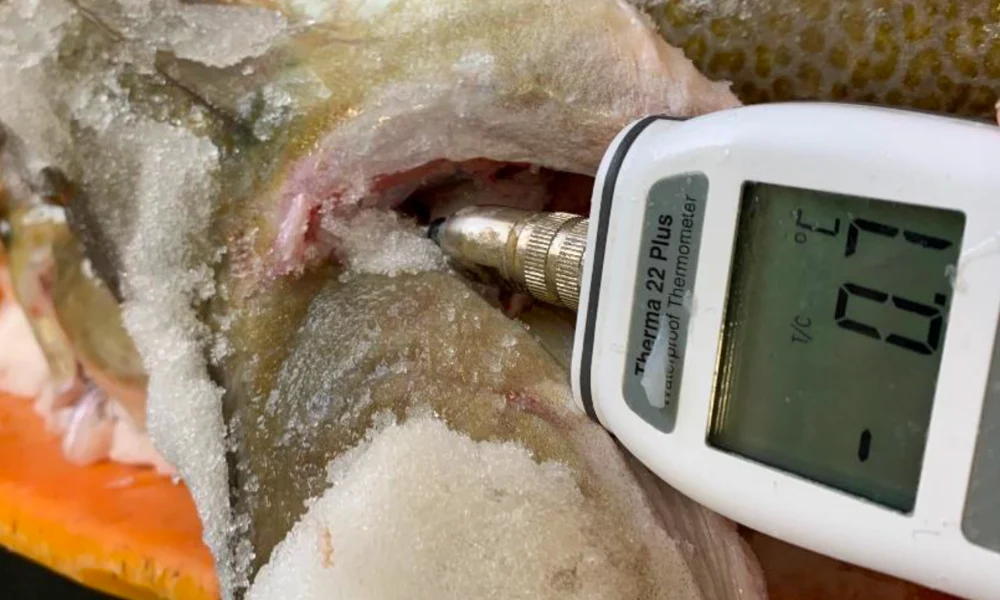
Real temperature measurements show how OptimICE® slurry ice and pre-cooling help maintain low fish temperatures throughout the cold chain.
A 435 km journey, four-day-old fish, and an entire processing cycle. See how OptimICE® slurry ice and pre-cooled water helped maintain low fish temperatures from the vessel through to final packaging.

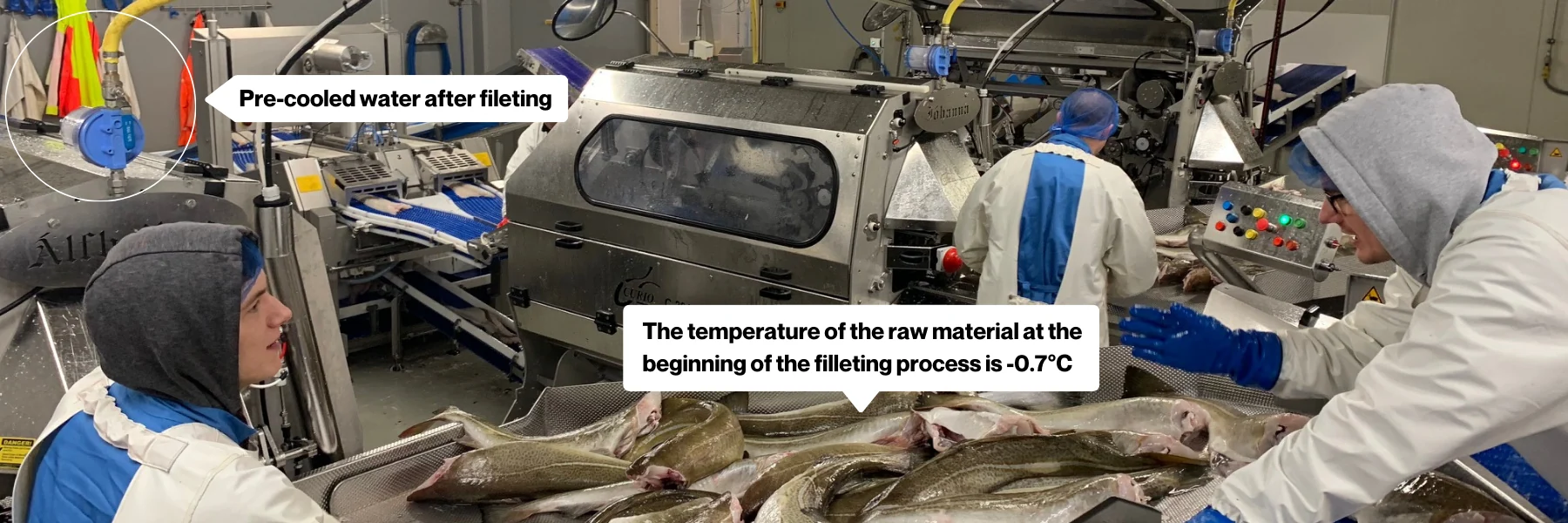
Temperature control across the cold chain
Maintaining fish quality is not just about chilling the catch quickly. Temperature control must continue through landing, transportation, filleting, trimming, and packaging.
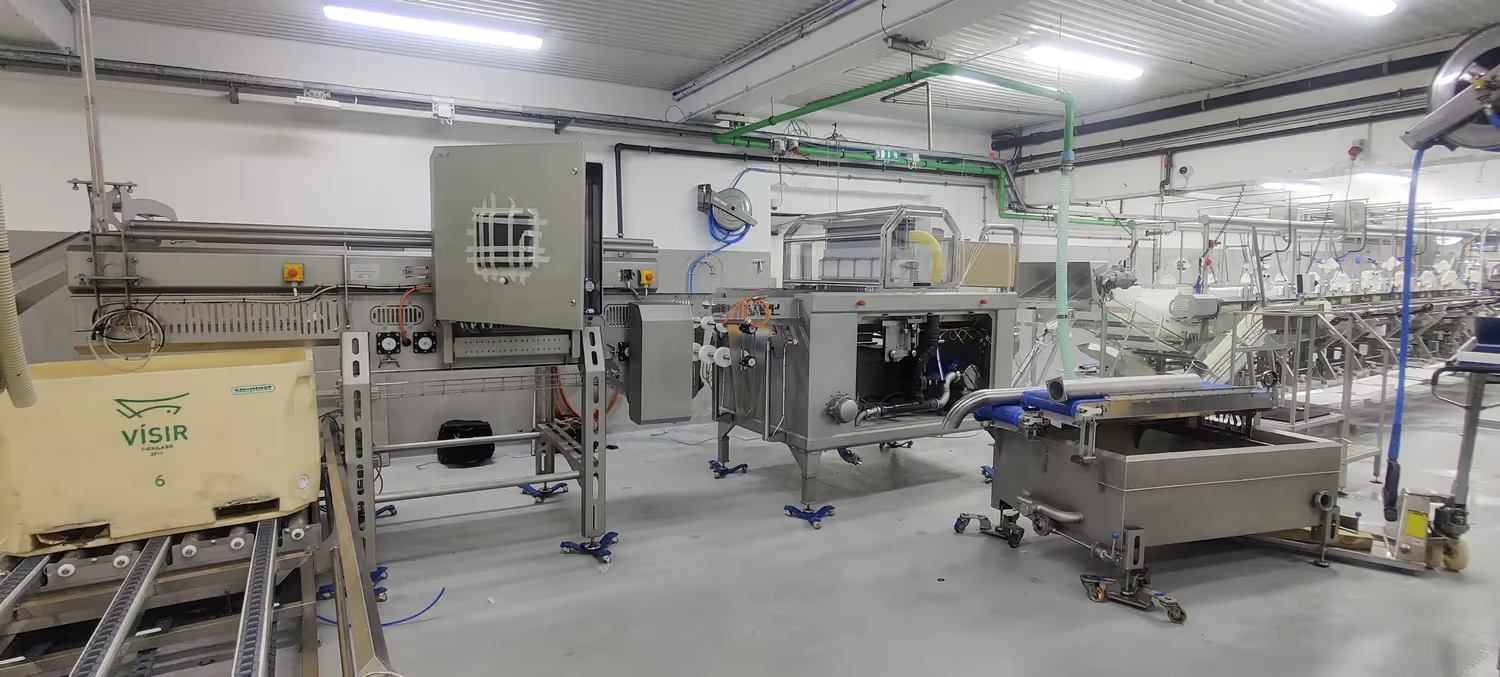
At a fish processing facility in Hellissandur, Iceland, temperature measurements were taken at different stages of production to examine how effectively low temperatures were maintained throughout the process.
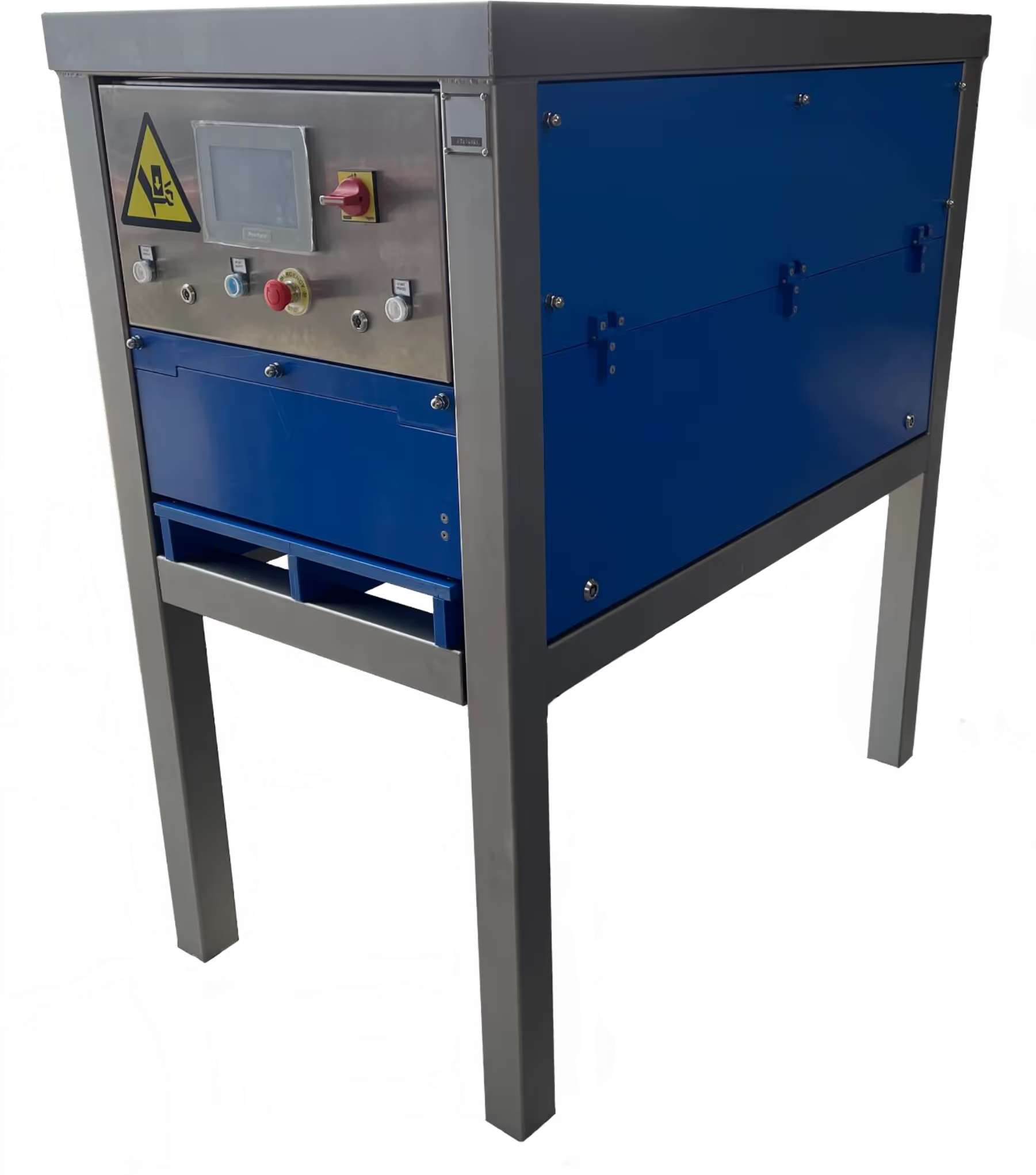
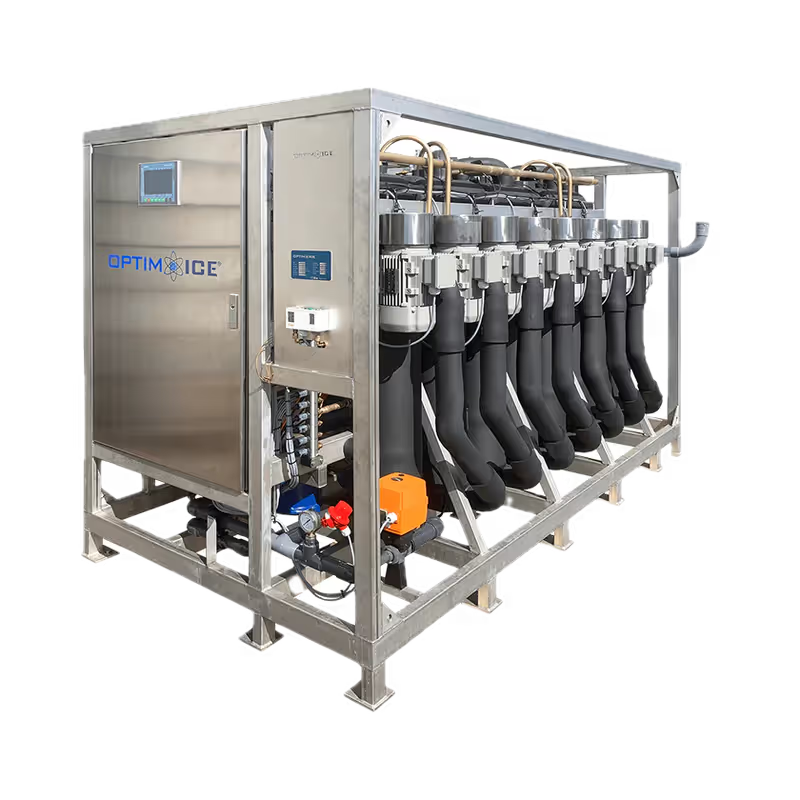
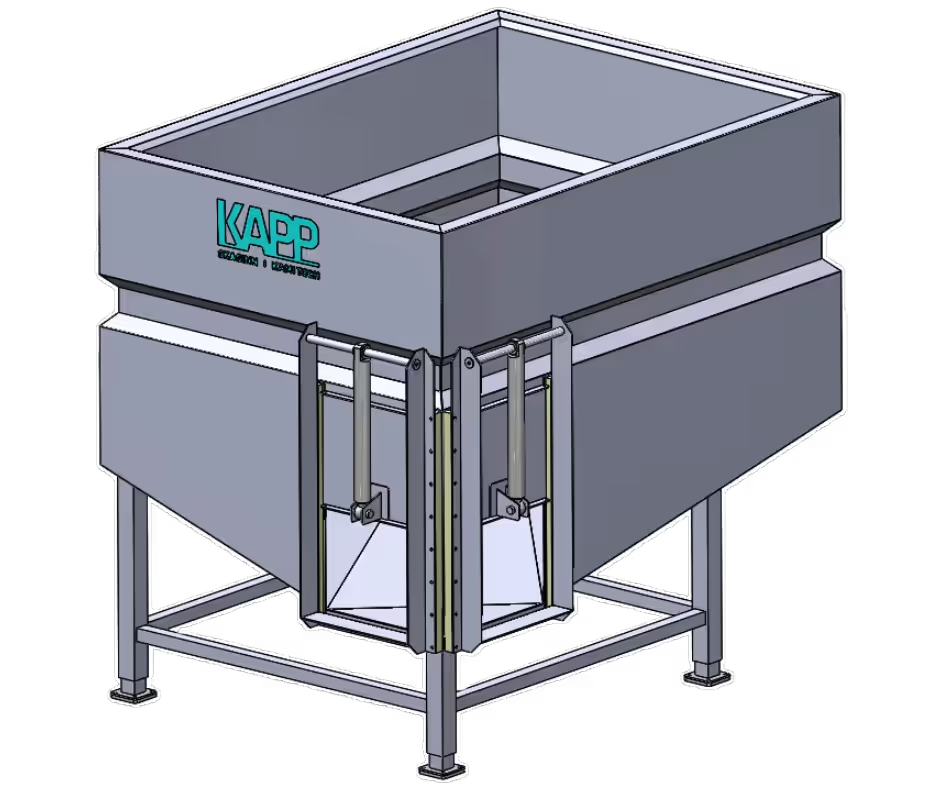
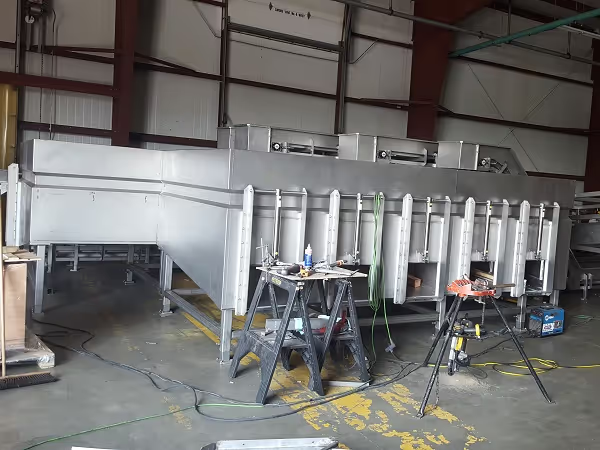
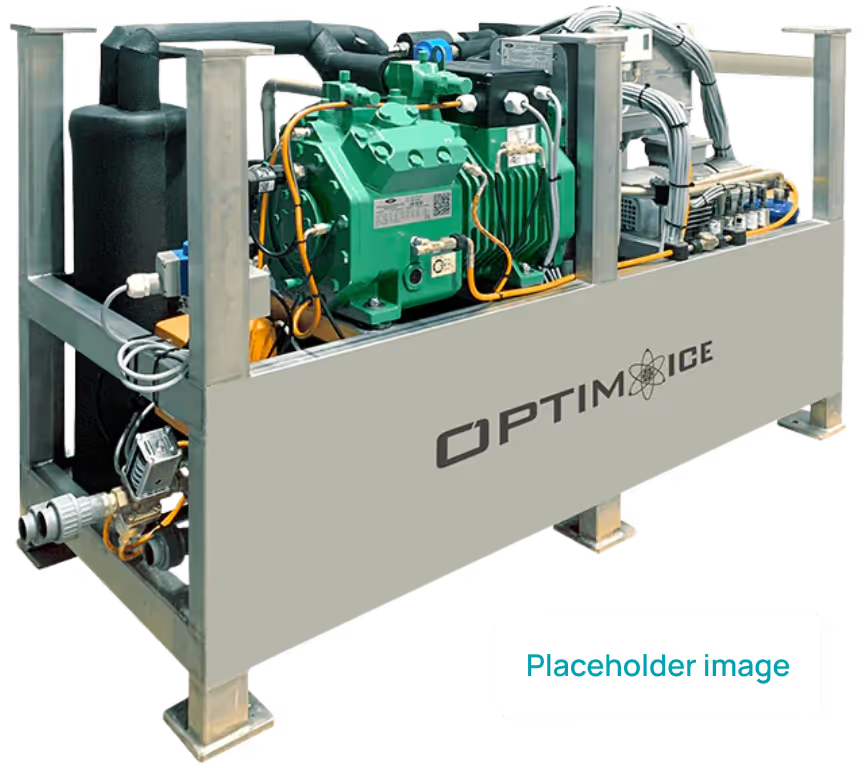
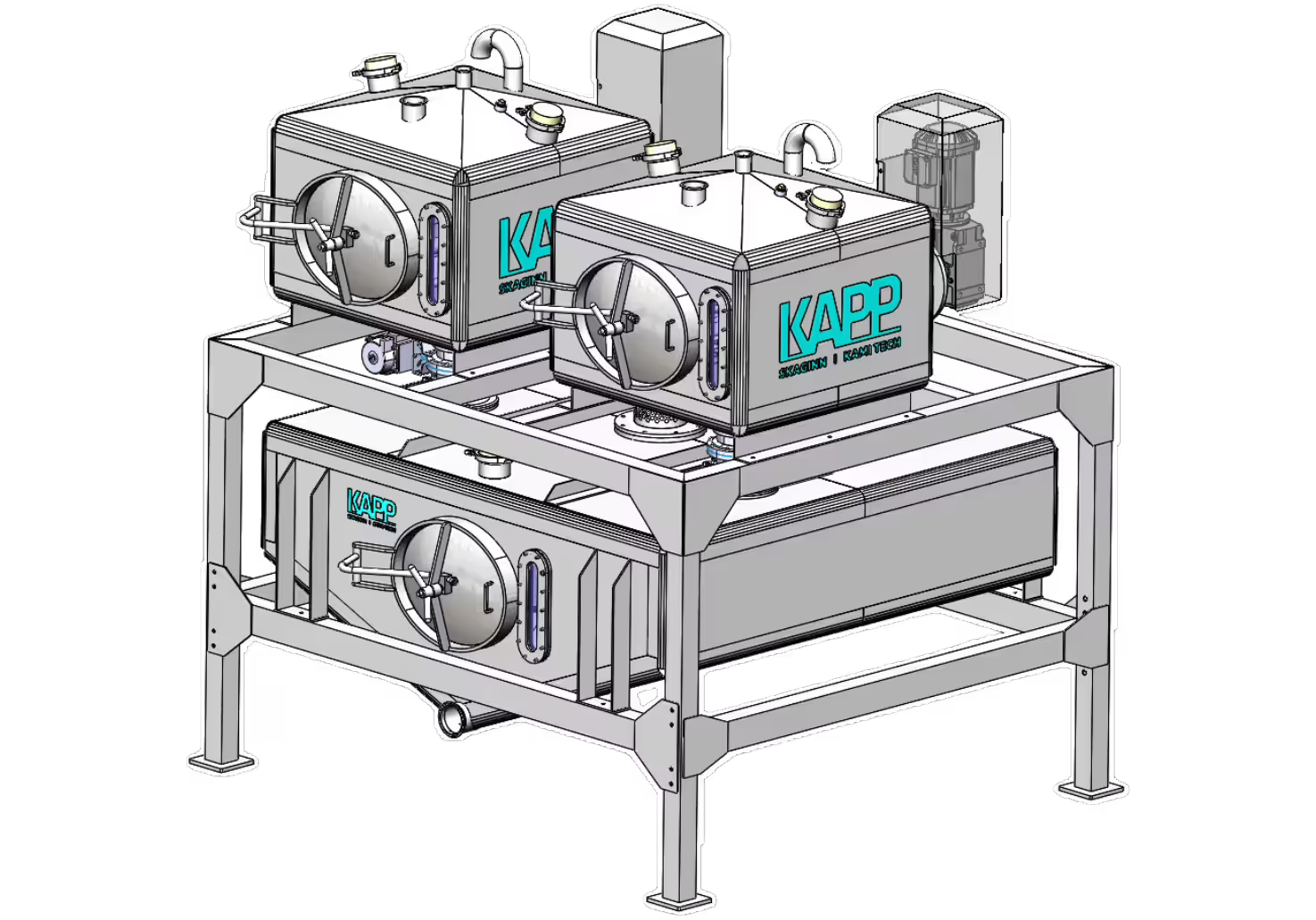
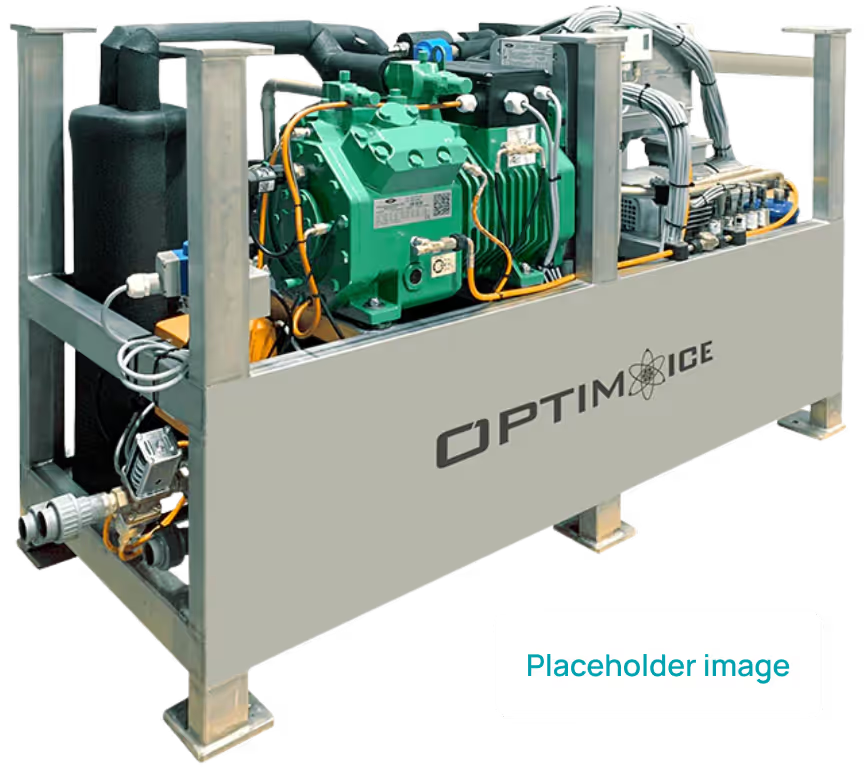
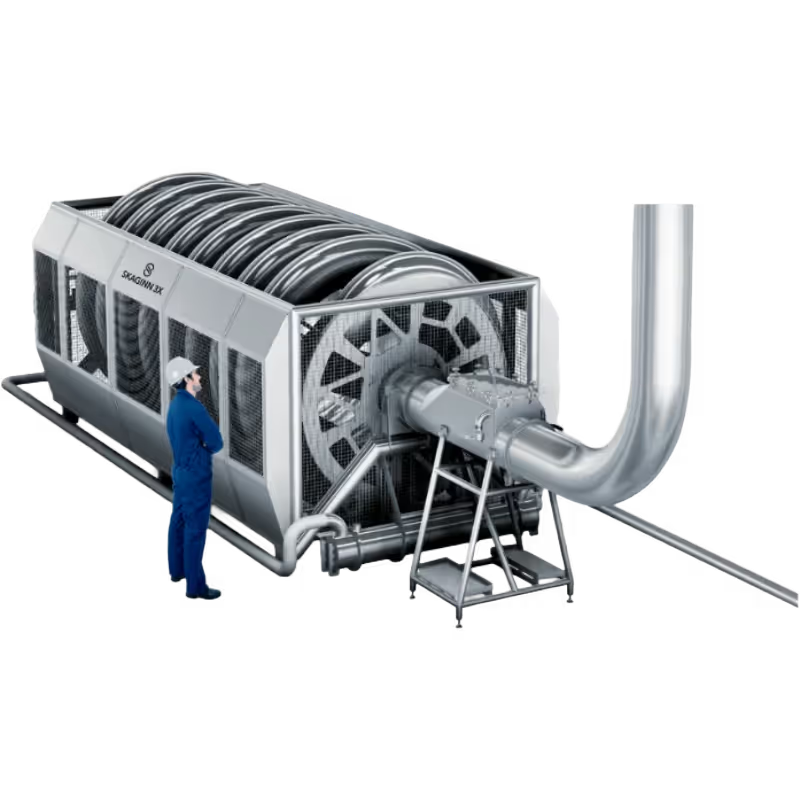
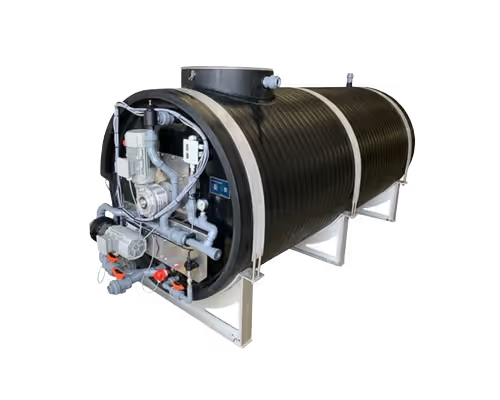
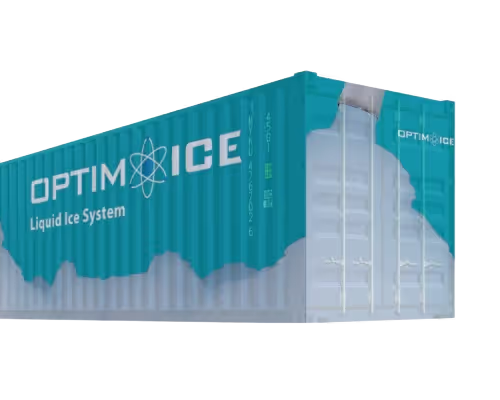
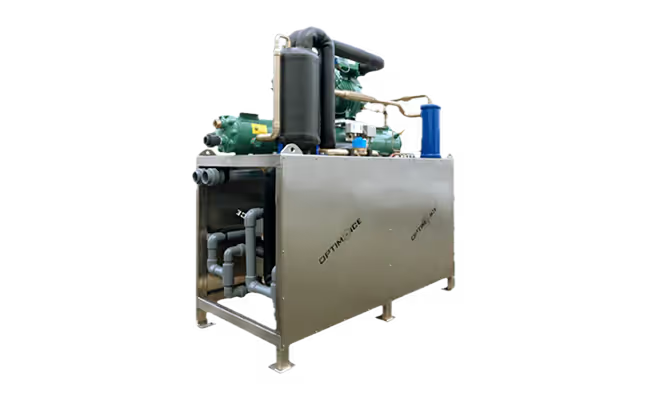
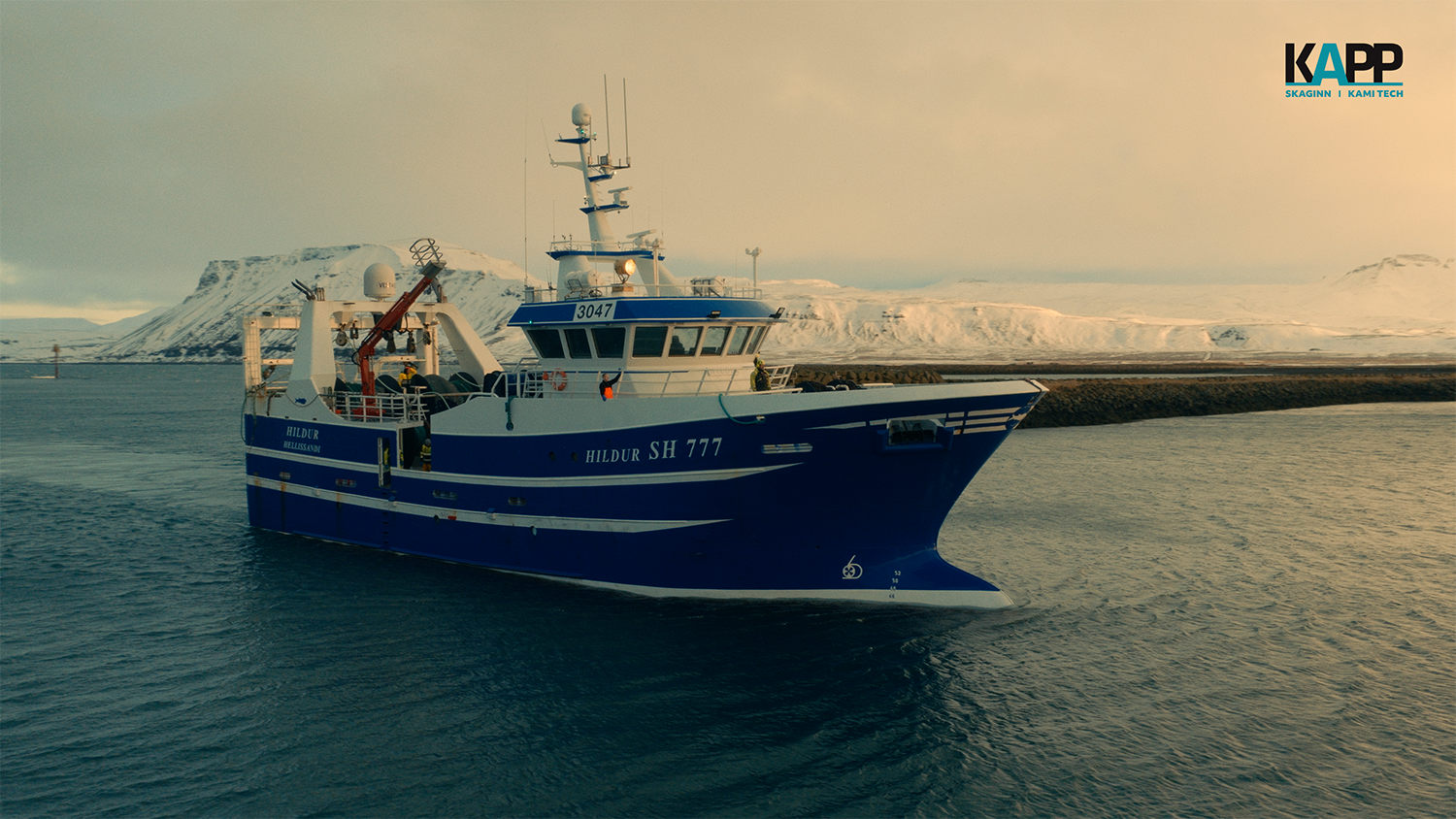
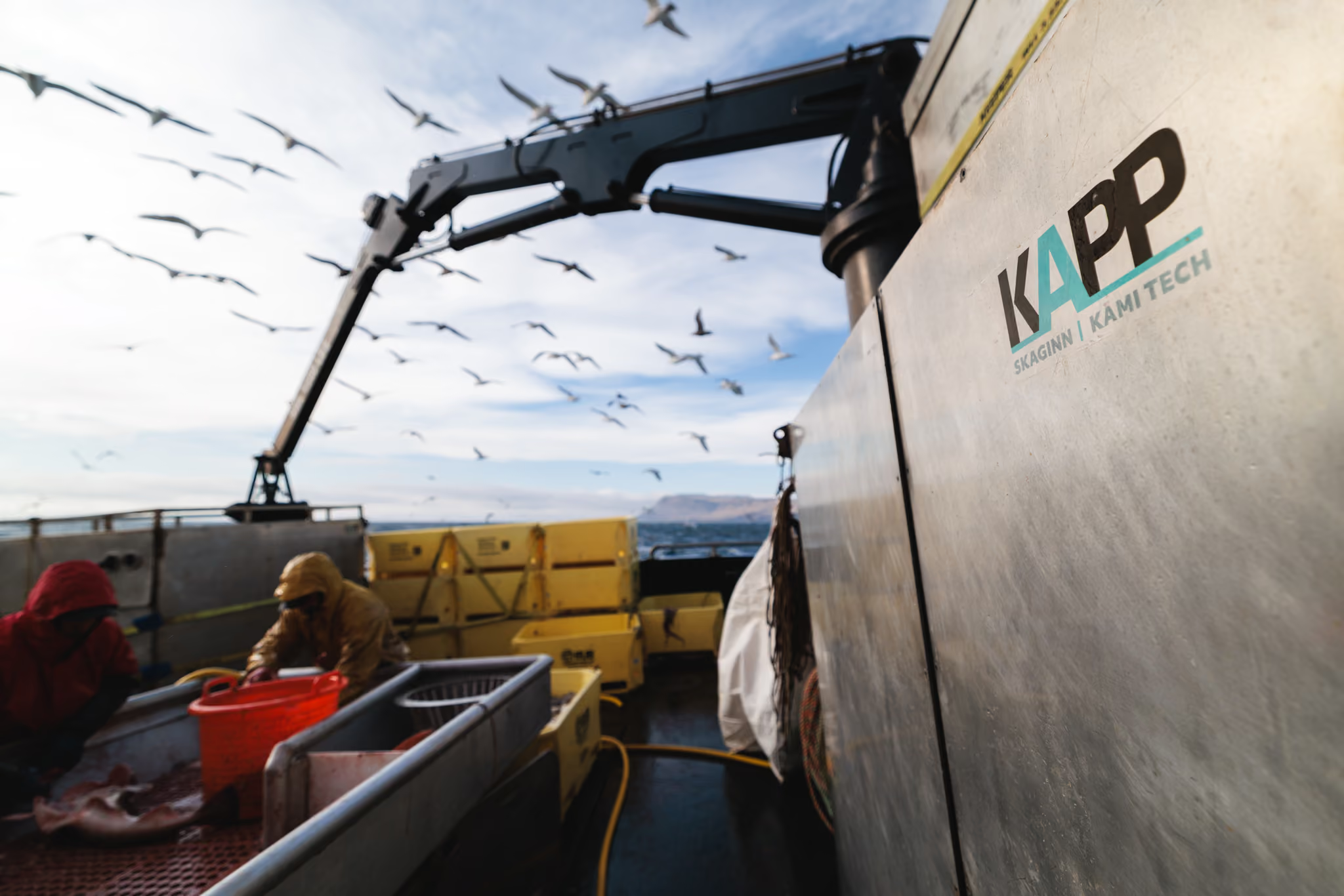
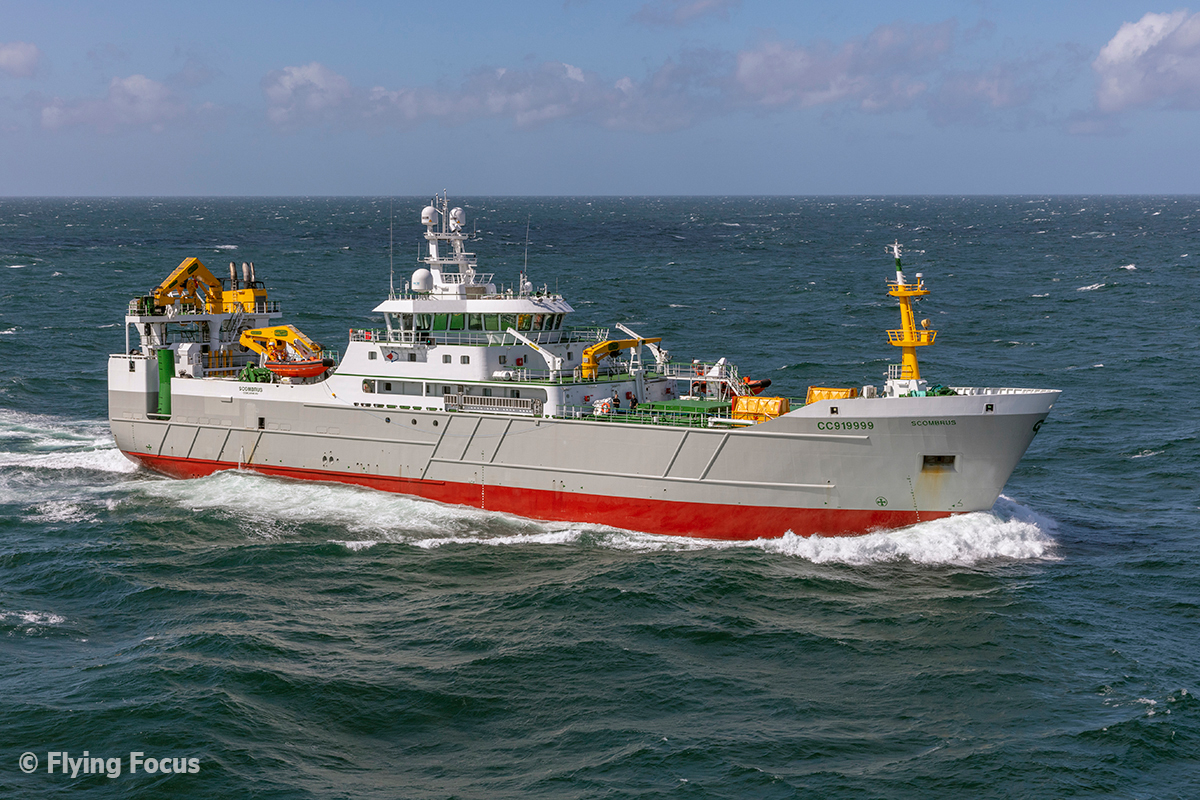
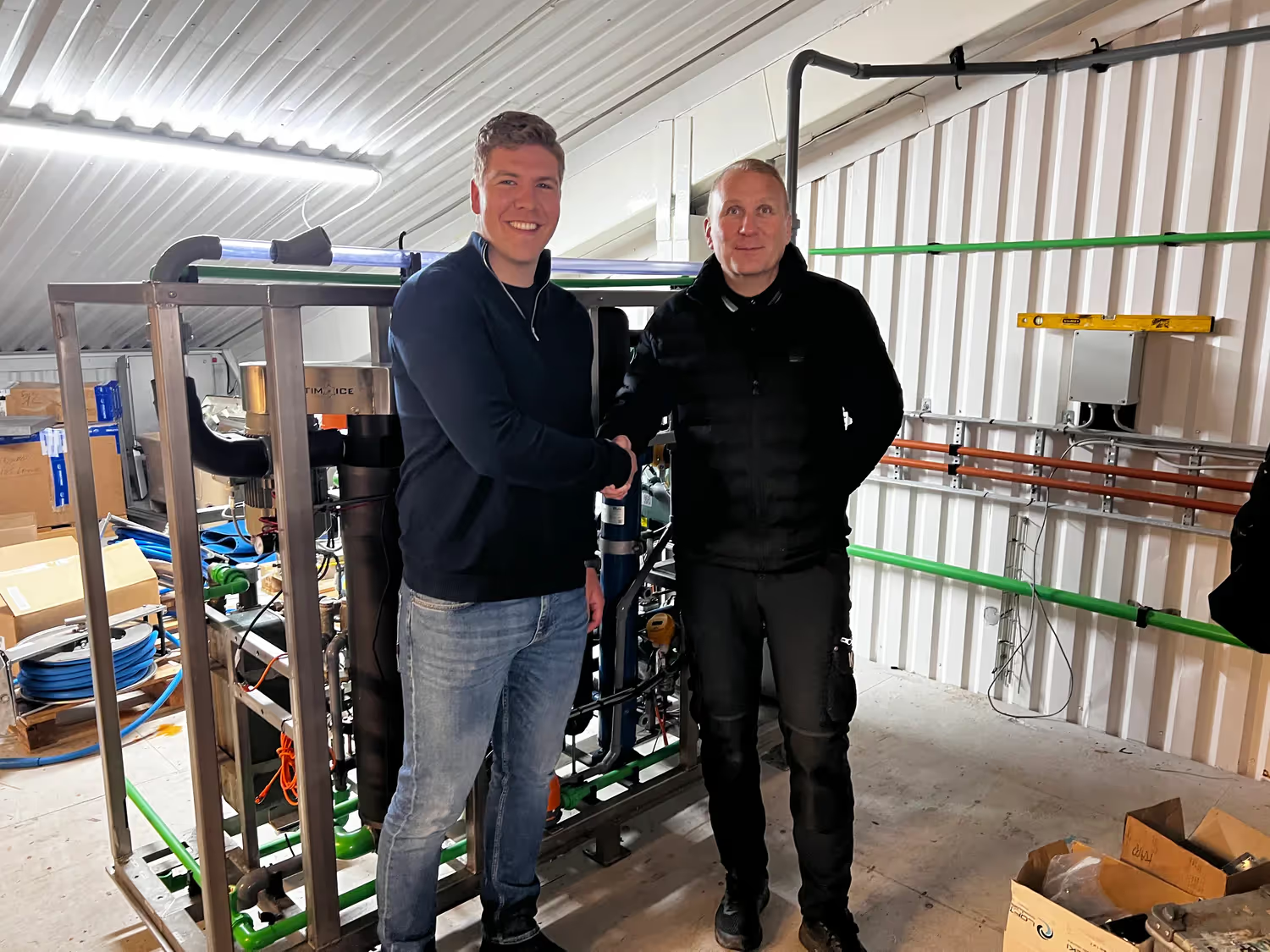
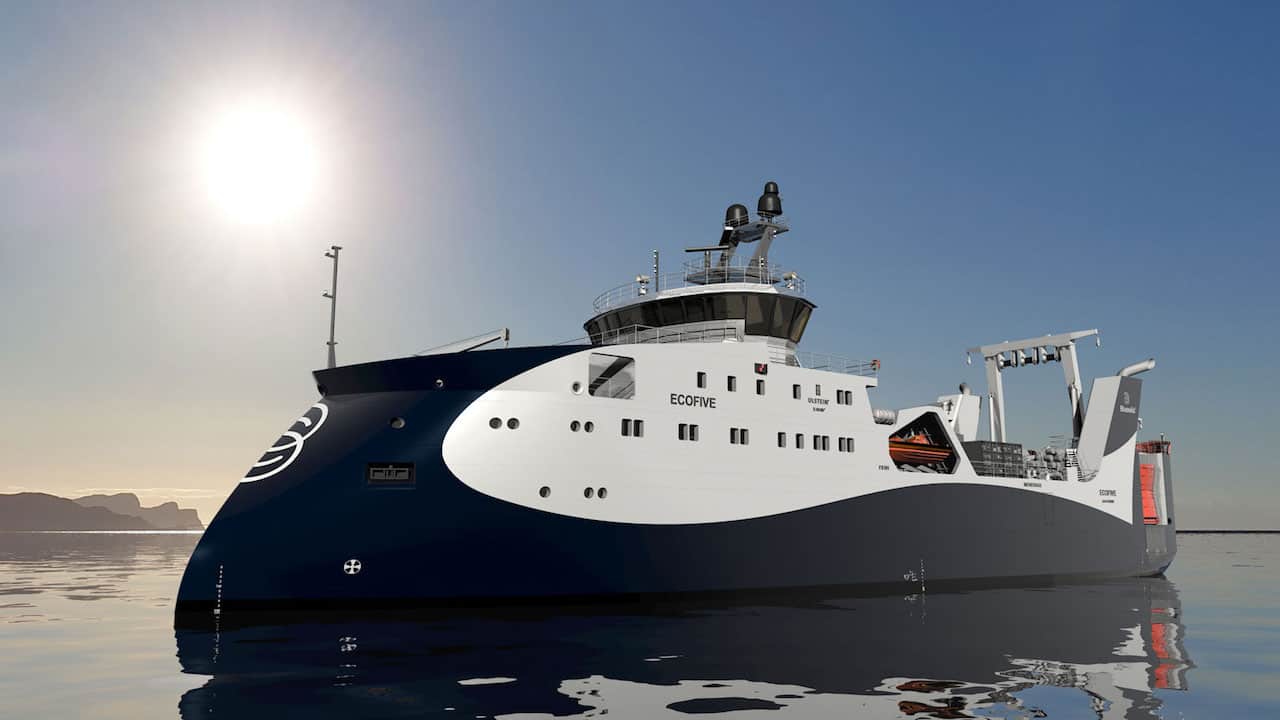
The fishing vessels used OptimICE® slurry ice systems onboard, while the processing facility used OptimICE® pre-cooling equipment to cool water during processing.
The catch was landed in Siglufjörður and transported 435 km by road, a journey of approximately seven hours. During processing, the ambient temperature inside the factory was around 20°C (68°F).
The measurements provide a practical example of how cooling at different stages helps protect product quality throughout the cold chain.
Arrival: Fish maintained below 0°C (32°F)
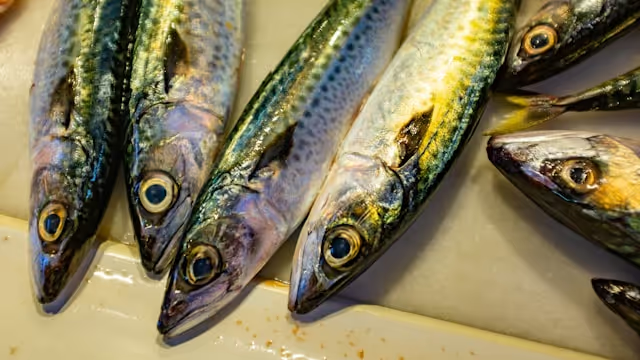
When the four-day-old catch arrived at the processing facility, temperatures were measured in 78 fish tubs.
All recorded temperatures were between −0.5°C and −0.7°C (31.1°F and 30.7°F), showing that the fish had maintained a very low temperature throughout landing and transportation.
Before filleting: Pre-cooled water in the buffer tank
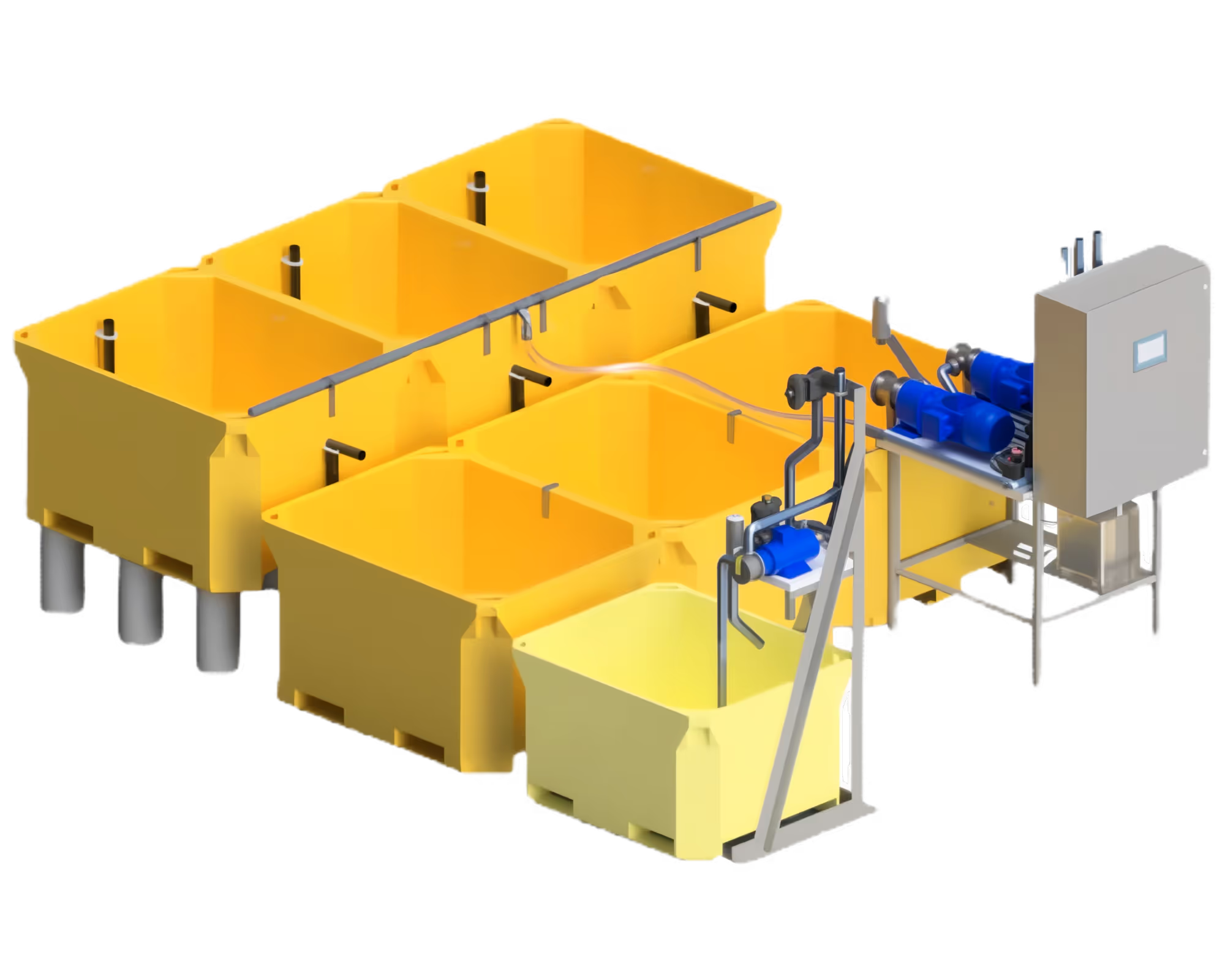
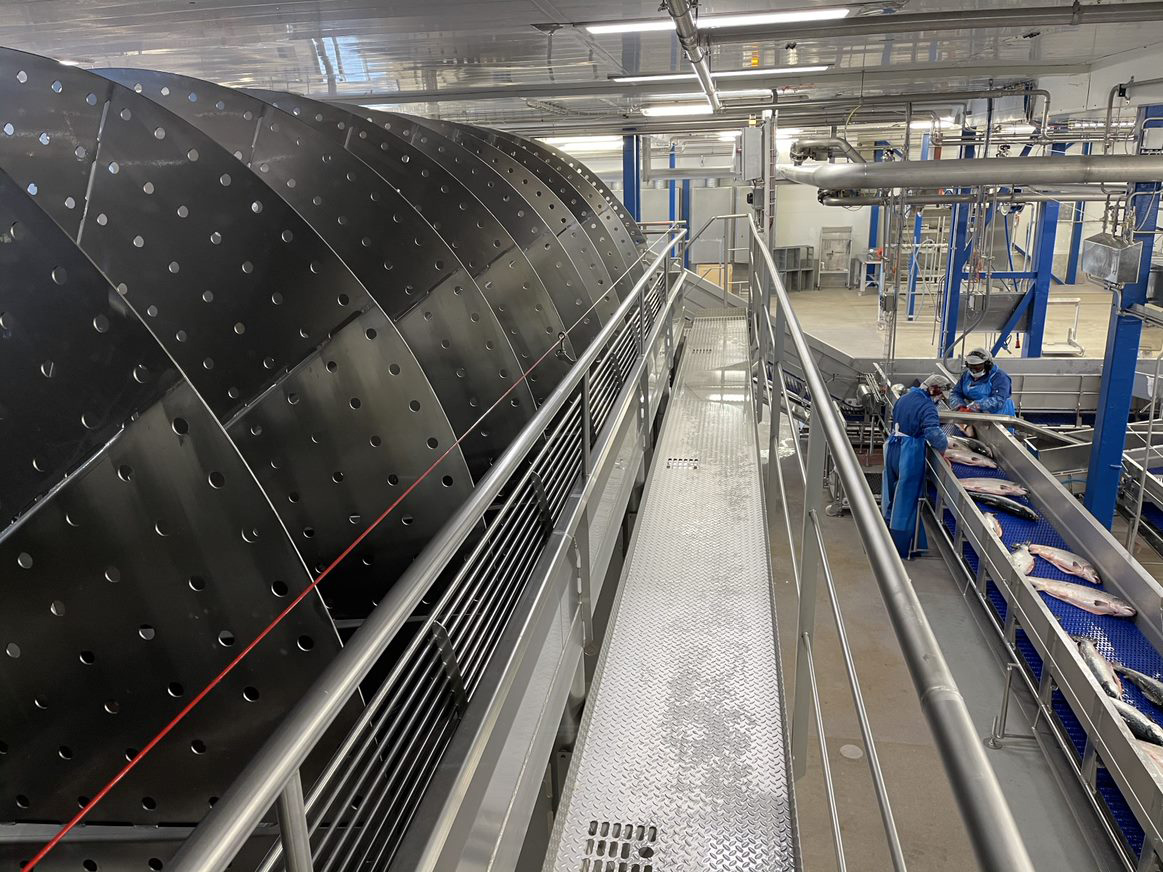
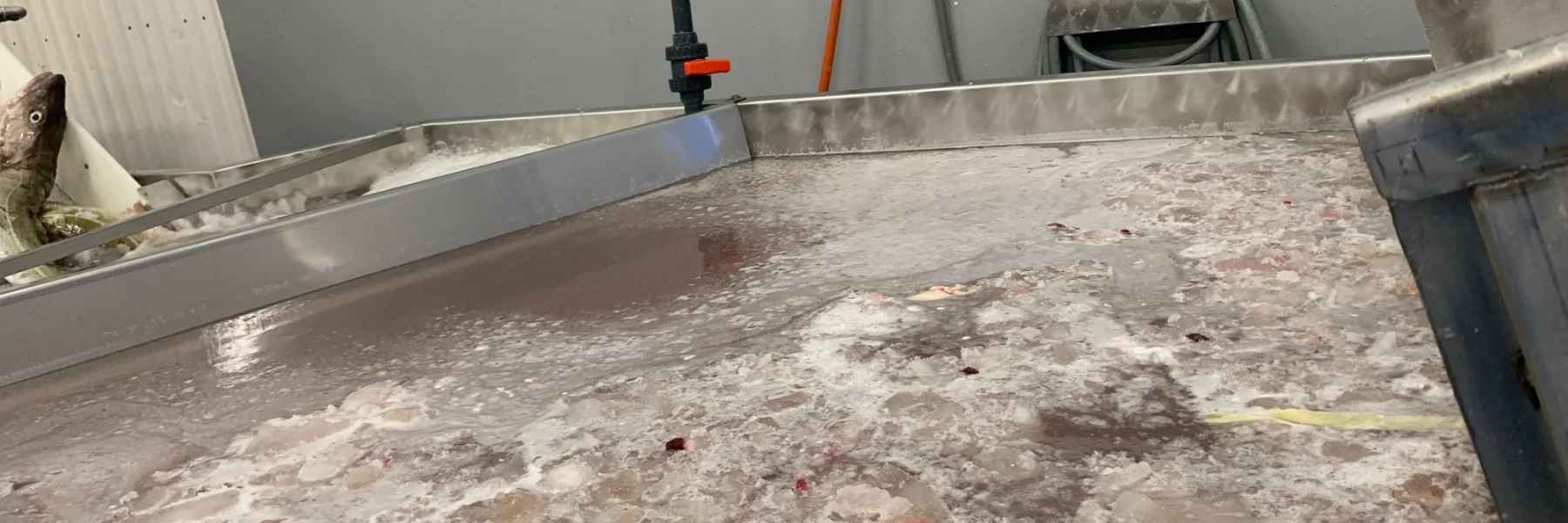
Before filleting, fish were transferred from tubs containing approximately 300 kg into a buffer tank.
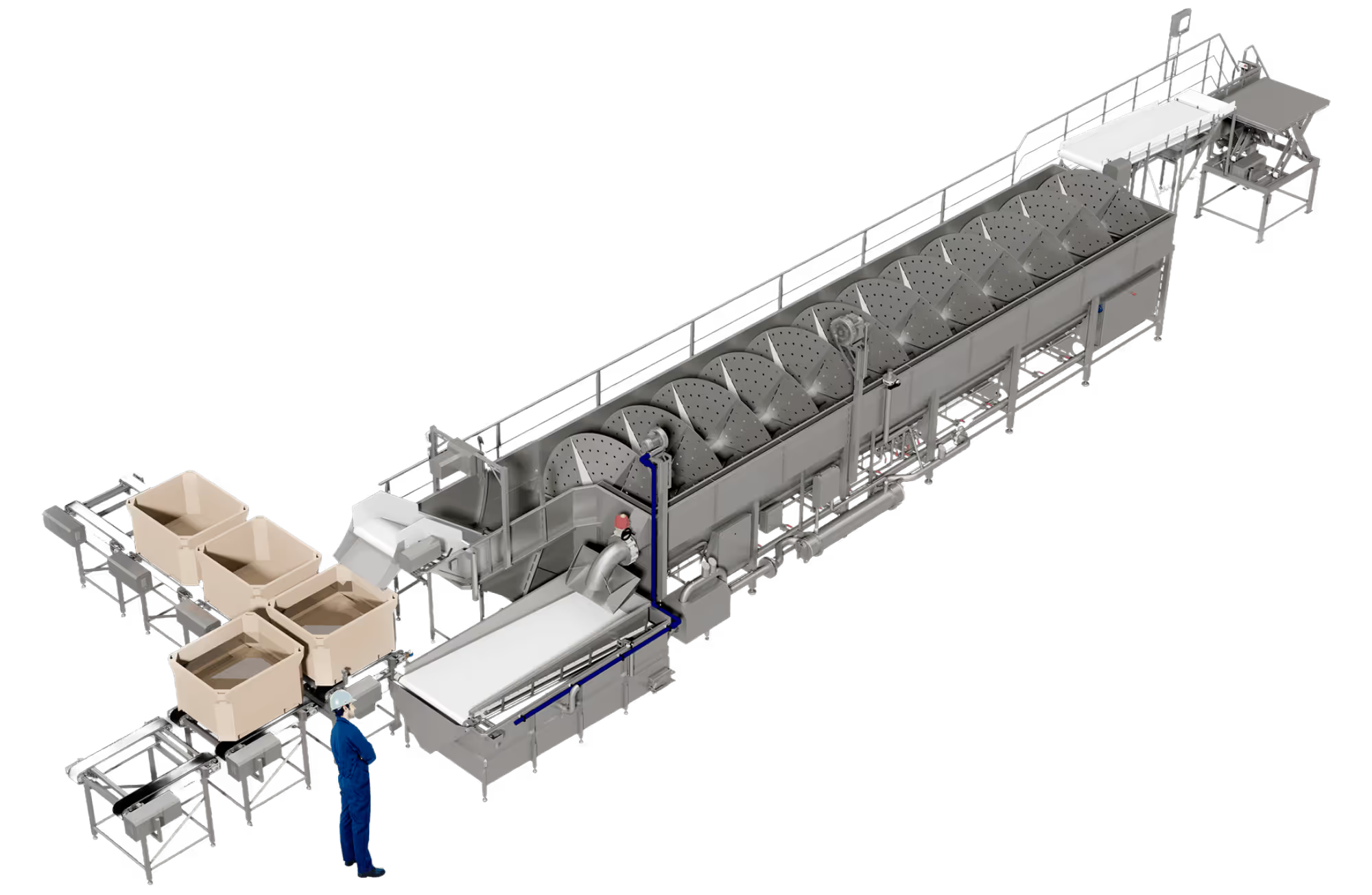
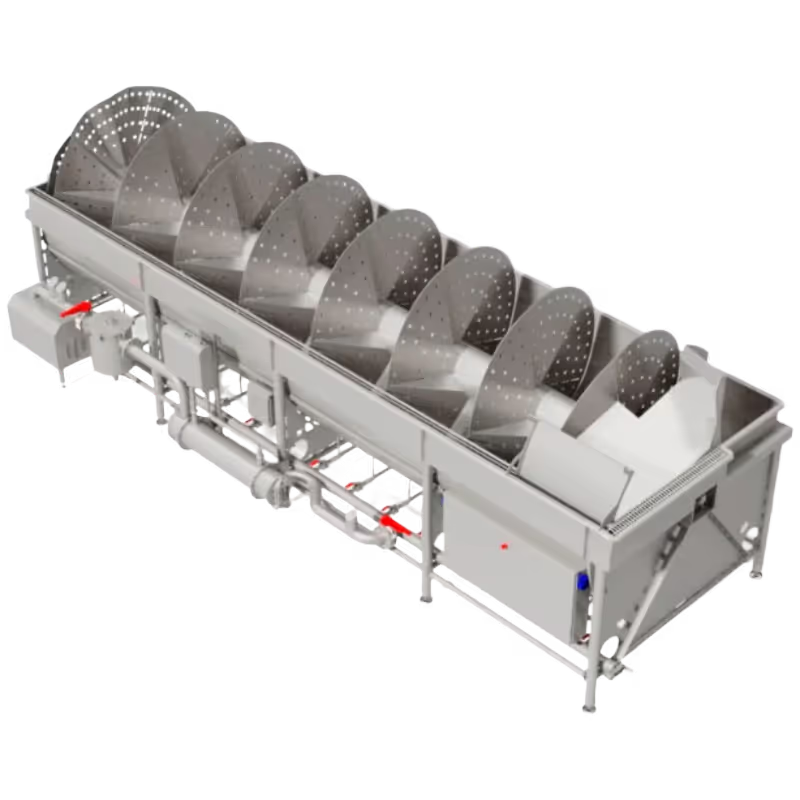
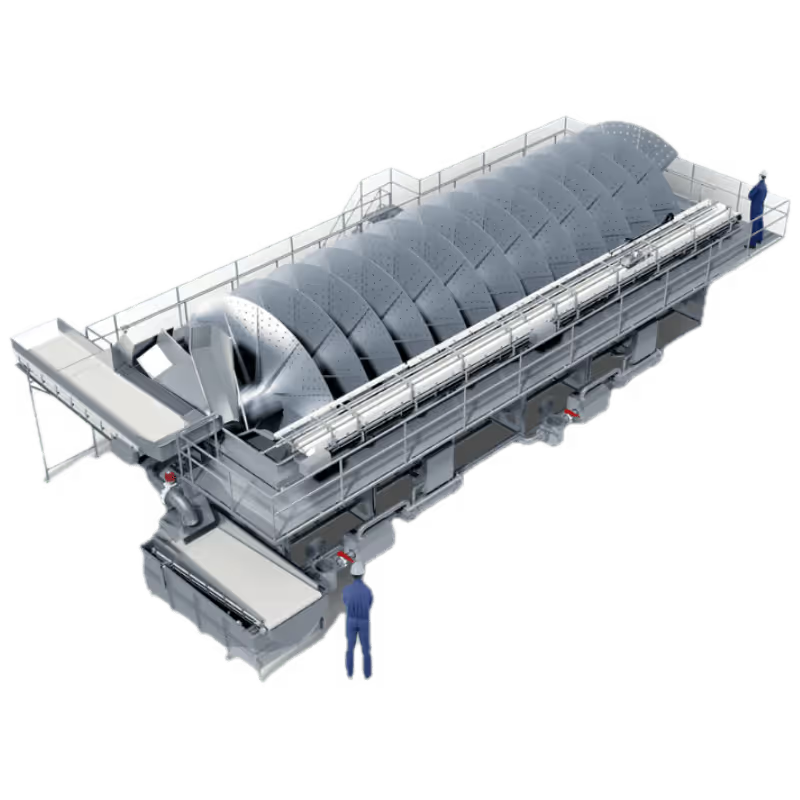
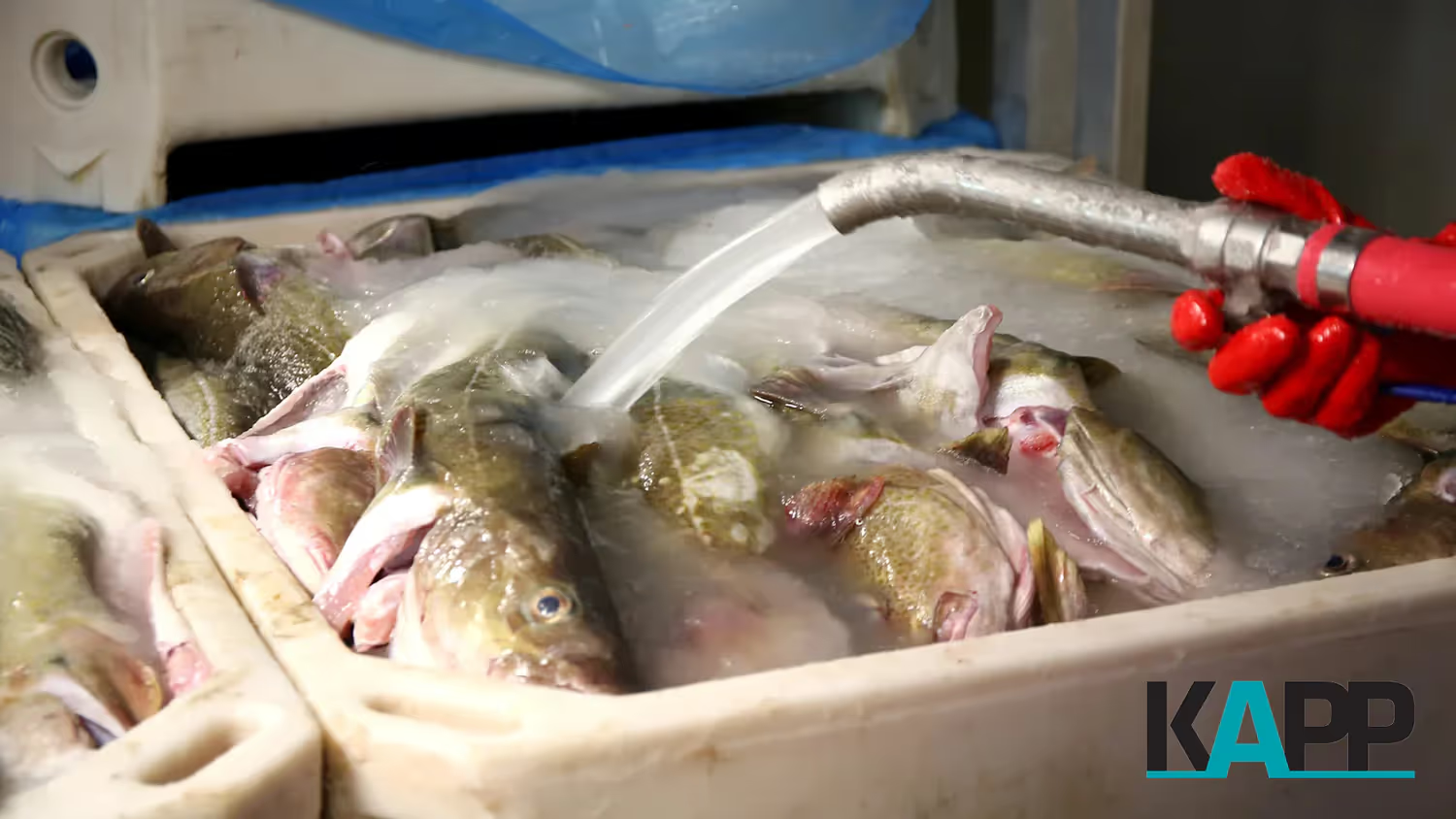
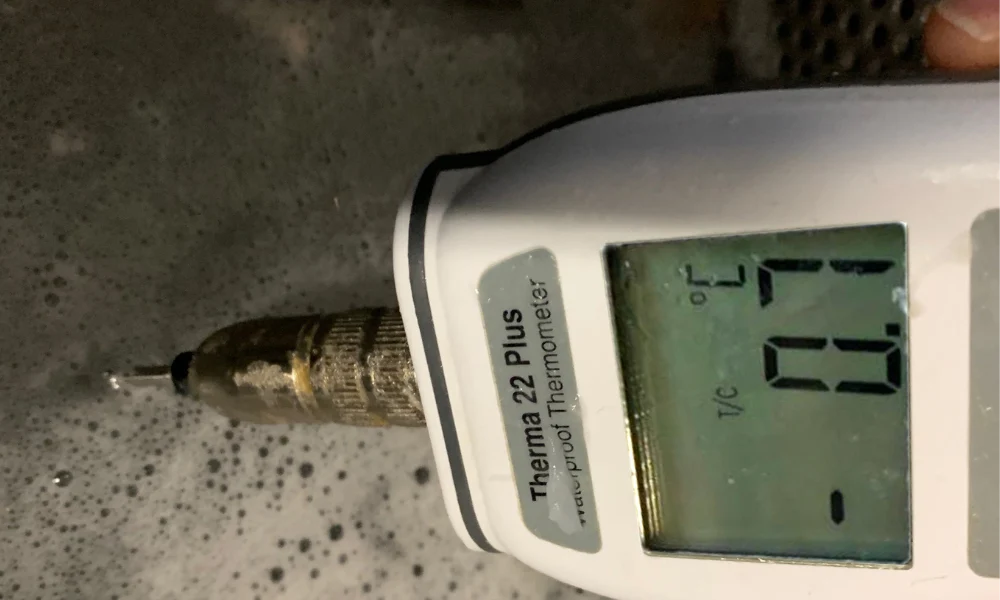
The tank contained water cooled by the OptimICE® pre-cooling system, with a reported temperature of −0.7°C (30.7°F).
This stage helps maintain low fish temperatures before the raw material enters the processing line.
During filleting: A small rise in temperature
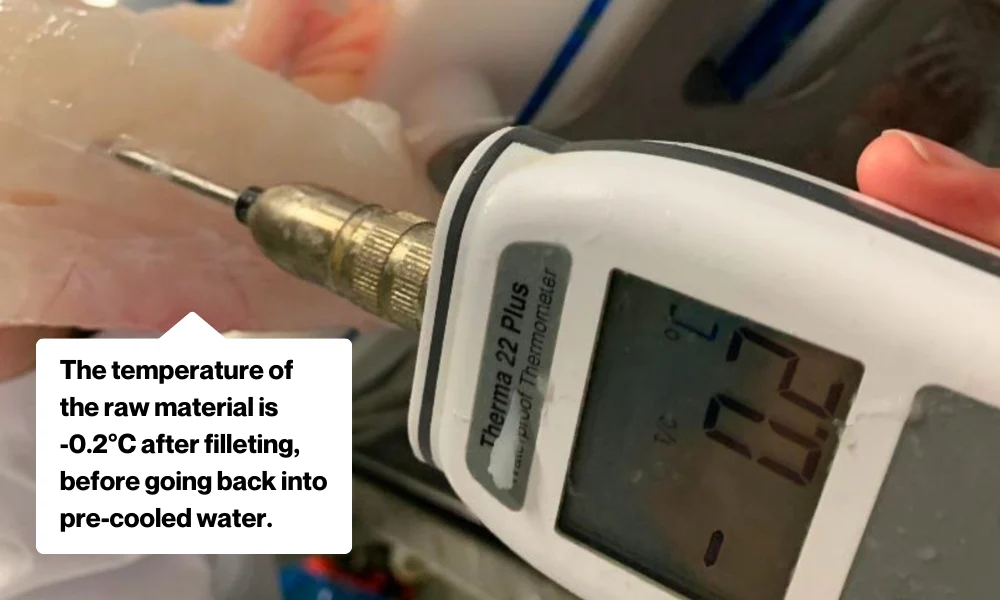
The fish entered the filleting process at approximately −0.7°C (30.7°F).
After filleting, the measured product temperature had increased to −0.2°C (31.6°F), a rise of 0.5°C (0.9°F) during this processing stage.
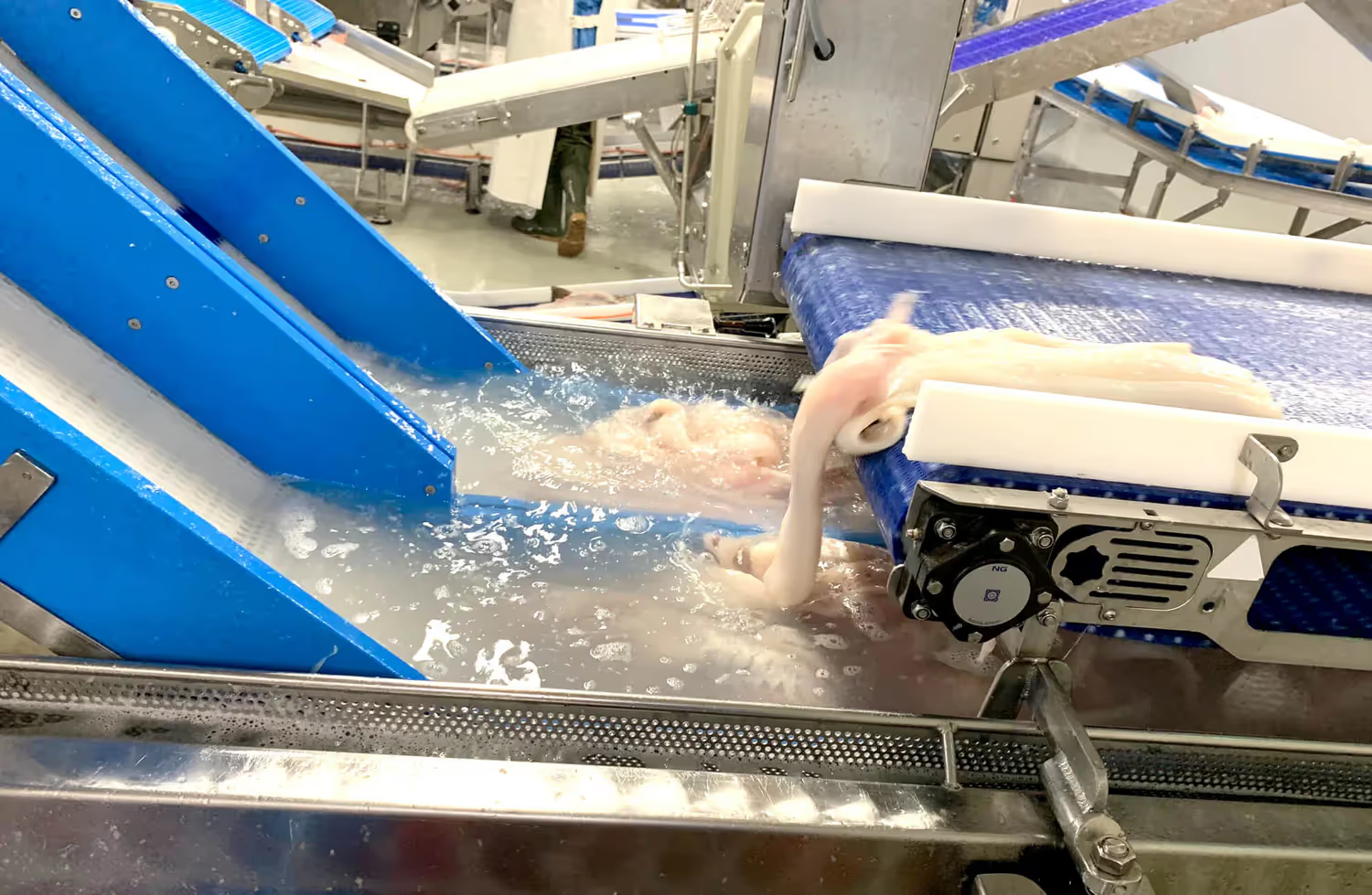
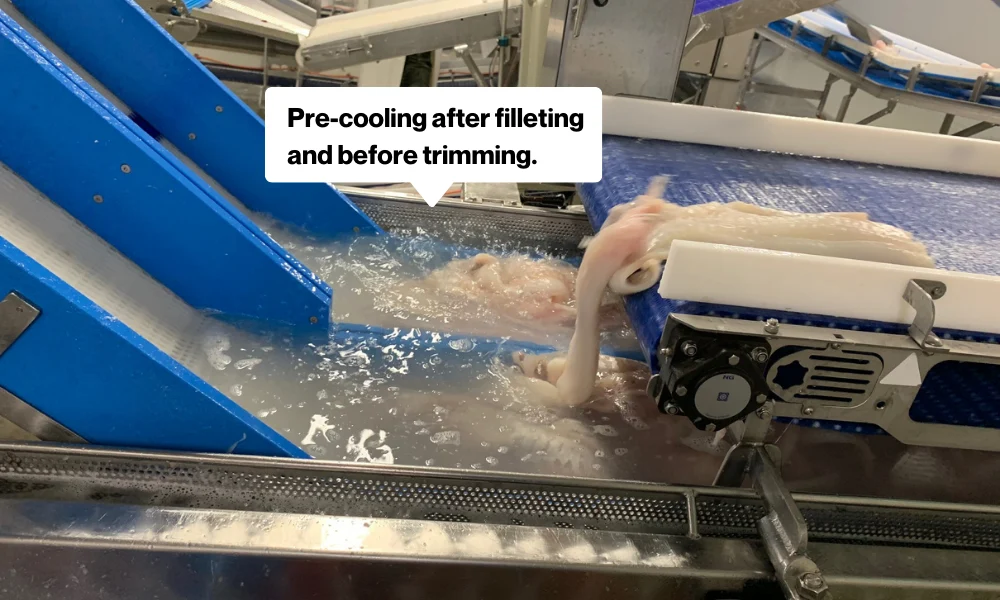
The fillets then traveled approximately five meters on a conveyor before entering another tank containing pre-cooled water.
This intermediate cooling stage helps control the temperature increase before the fillets move into trimming.
Trimming: Managing temperature changes during processing
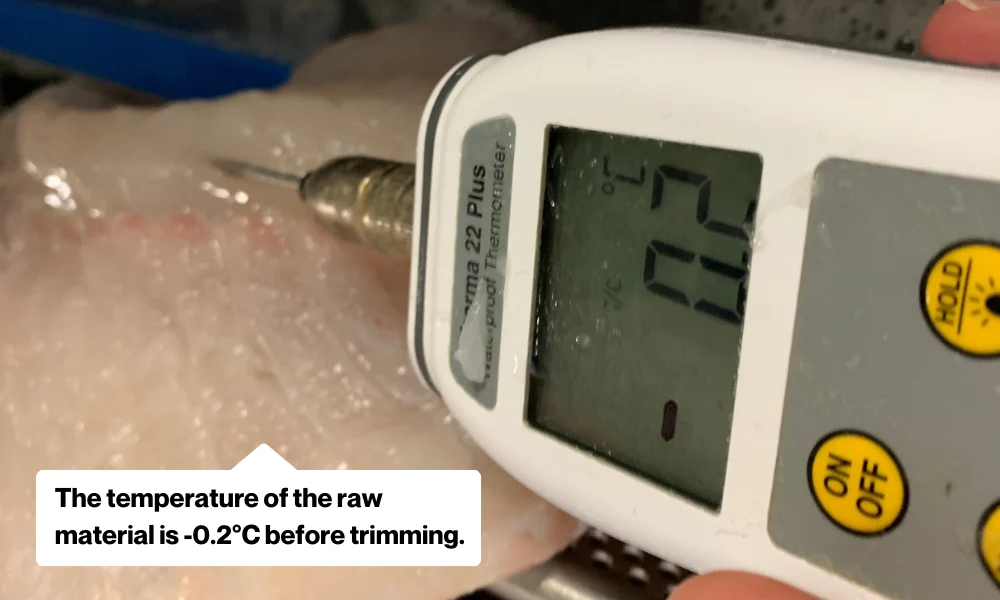
Following pre-cooling, the fillets entered trimming at approximately −0.2°C (31.6°F).
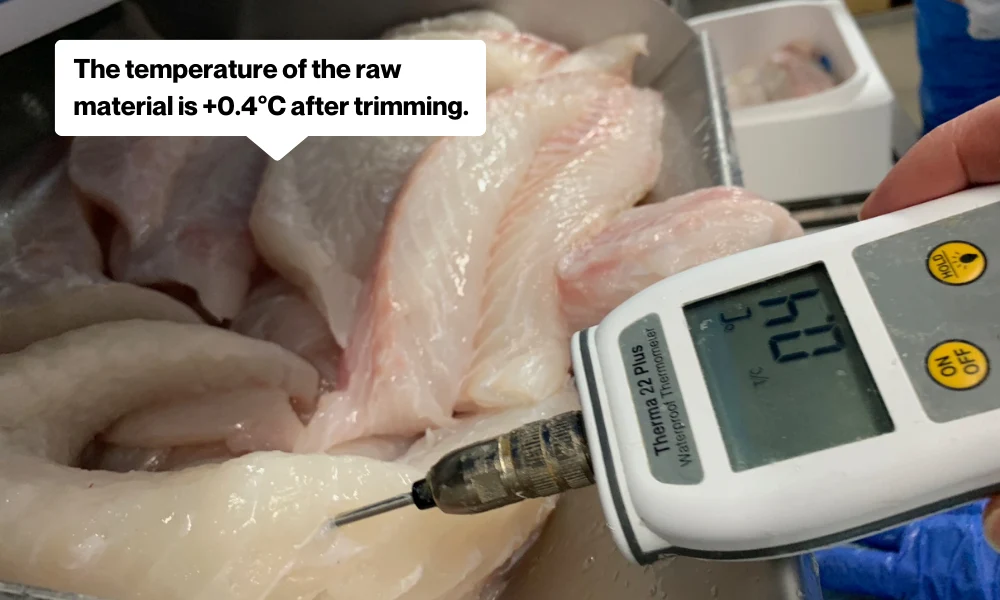
After trimming, the measured temperature had increased to +0.4°C (32.7°F).
These measurements show that fish temperatures can rise during processing, even when the raw material arrives well chilled.
They also highlight why cooling between processing stages is important for managing temperature throughout production.
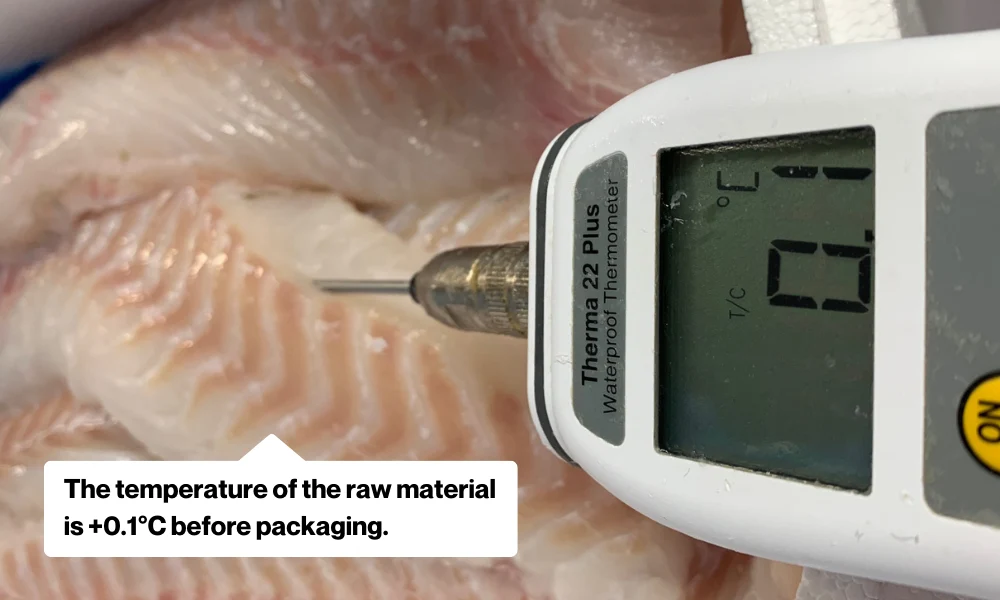
Final cooling: +0.1°C (32.2°F) before packaging
Before packaging, the fillets passed through a final cooling stage.
The measured product temperature decreased from +0.4°C (32.7°F) to +0.1°C (32.2°F), bringing the fish close to 0°C (32°F) at the end of processing.
This result was achieved while the ambient temperature inside the factory was approximately 20°C.
What the measurements demonstrate
The results highlight the importance of maintaining effective cooling throughout seafood processing, not only immediately after the catch.
Three observations stand out:
- Low temperatures during transportation: Fish arrived between −0.5°C and −0.7°C (31.1°F and 30.7°F) after a seven-hour road journey.
- Temperature increases during processing: Filleting and trimming caused measurable increases in product temperature.
- Cooling between processing stages: Pre-cooled water helped manage these increases, with the final product measured at +0.1°C (32.2°F) before packaging.
Together, these measurements demonstrate how onboard OptimICE® slurry ice and factory pre-cooling can support temperature management throughout the seafood cold chain.
Rather than relying on a single cooling stage, the process maintains a focus on temperature from the vessel through to the finished product.
Maintain control throughout your processing operation
KAPP offers OptimICE® slurry ice systems and pre-cooling solutions designed around the needs of fishing vessels and seafood processing facilities.
From rapid chilling onboard to temperature management during processing, these solutions help operators protect raw material quality, improve temperature control, and maintain product value.
Explore OptimICE® solutions or contact KAPP to discuss your cooling requirements.